34. SIDE EFFECTS OF IRON SUPPLEMENTS
PDA, DRUG GUIDE
-CNS: IM, IV: SEIZURES, DIZZINESS, HEADACHE, SYNCOPE
(FAINTING)
-CV: IM, IV: HYPOTENSION, TACHYCARDIA
-GI: NAUSEA
-PO: CONSTIPATION, DARK STOOLS, DIARRHEA, EPIGASTRIC
PAIN, GI BLEEDING
-IM, IV: TASTE DISORDER, VOMITING
-DERM: IM, IV: FLUSHING, URTICARIA (MULTIPLE SWOLLEN RAISED
AREAS ON THE SKIN THAT ARE INTENSELY ITCHY,
LAST UP TO 24 HOURS, ON CHEST, BACK, SCALP, FACE
AND EXTREMITIES. AKA: HIVES)
-LOCAL: PAIN AT IM SITE (IRON DEXTRAN), PHLEBITIS AT IV SITE,
SKIN STAINING AT IM SITE (IRON DEXTRAN)
-MS: IM, IV: ARTHRALGIA, MYALGIA
-MISC: PO: STAINING OF TEETH (LIQUID PREP)
IM, IV: ALLERGIC REACTIONS INCLUDING ANAPHYLAXIS,
FEVER, LYMPHADENOPATHY
46. PURPOSE OF ANTIEMBOLYTIC STOCKINGS
MOSBYS, FUND. PGS 908-909
-ELASTICIZED STOCKINGS WORN TO PREVENT THE FORMATION OF
EMBOLI AND THROMBI, ESPECIALLY IN PATIENTS WHO HAVE HAD
SURGERY OR WHO HAVE BEEN RESTRICTED TO BED. RETURN
FLOW OF VENOUS CIRCULATION IS PROMOTED, PREVENTING
VENOUS STASIS AND DILATION OF THE VEINS, CONDITIONS THAT
PREDISPOSE A PERSON TO VARISCOSITIES AND THROMBOEMBOLIC
DISORDERS.
-COMPRESS THE VEINS IN THE LEGS AND FACILITATE RETURN OF
VENOUS BLOOD BACK TO THE HEART. ALSO IMPROVES ARTERIAL
CIRCULATION TO THE FEET AND PREVENT EDEMA OF THE LEGS
AND FEET. USED BOTH PRE AND POST OPERTIVELY.
Friday, September 22, 2006


Nursing Diagnosis Resource
This is a real find! The Evolve website is also the resource for the N2 med-surg text. If you add this course you will have access to some fabulous Nursing Diagnosis aids.
Go to Evolve website http://evolve.elsevier.com/staticPages/s_index.html
log in then add Content for Ackley: Nursing Diagnosis Handbook, 7th Edition
There is a tremendously helpful ND Constructor.
Go to Evolve website http://evolve.elsevier.com/staticPages/s_index.html
log in then add Content for Ackley: Nursing Diagnosis Handbook, 7th Edition
There is a tremendously helpful ND Constructor.
Thursday, September 21, 2006
#7
7. P.1279-1280
Nursing care of the indwelling catheter is largely directed toward preventing infection of the urinary tract and encouraging urinary flow through the drainage system. It includes encouraging large amounts of fluid intake, accurately recording I and O, changing the retention catheter and tubing, maintaining the patency of the drainage system, and teaching these measures to the client.
-Fluids: up to 3,000mL/day- keeps the bladder flushed out and decreases the likelihood of urinary stasis and subsequent infection.
-Dietary measures: acidifying the urine may decrease urinay tract infections. Eating acidific foods help: eggs, cheese, meat, plums, prunes, whole garins, poultry, etc.
-Perineal care: no special cleaning other than the routine care.
-Changing catheter and tubing: routine changing is not recommended.
Nursing care of the indwelling catheter is largely directed toward preventing infection of the urinary tract and encouraging urinary flow through the drainage system. It includes encouraging large amounts of fluid intake, accurately recording I and O, changing the retention catheter and tubing, maintaining the patency of the drainage system, and teaching these measures to the client.
-Fluids: up to 3,000mL/day- keeps the bladder flushed out and decreases the likelihood of urinary stasis and subsequent infection.
-Dietary measures: acidifying the urine may decrease urinay tract infections. Eating acidific foods help: eggs, cheese, meat, plums, prunes, whole garins, poultry, etc.
-Perineal care: no special cleaning other than the routine care.
-Changing catheter and tubing: routine changing is not recommended.
Questions 11 and 39
11. Pallor: result of inadequate circulating blood or hemoglobin and subsequent reduction in tissue oxygenation. It may be difficult to determine in clients with dark skin. It is usually characterized by the absence of underlying red tones in the skin and maybe most readily seen in the buccal mucosa. In brown-skinned clients, pallor may appear a yellowish brown tinge; in black clients, the skin may appear ashen gray. Pallor in all people is usually most evident in areas with the least pigmentation such as the conjunctiva, oral mucosa membranes, nail beds, palms of the hands, and soles of the feet.
39. Purpose of the condom catheter:
Prescribed for incontinent males, so as to not soil themselves. Preferable to insertion of a retemtion catheter b/c the risk for urinary tract infection is minimal. With the condom catheter you do need to be aware of the RF for skin breakdown.
39. Purpose of the condom catheter:
Prescribed for incontinent males, so as to not soil themselves. Preferable to insertion of a retemtion catheter b/c the risk for urinary tract infection is minimal. With the condom catheter you do need to be aware of the RF for skin breakdown.
Study Guide Answer #8
8. Discuss the age related changes of the urinary and bowel eliminations.
BOOK- pg. 405, 1228-29, 1258
Urinary- excretory fxn of kidney diminishes, but not significantly below norm unless a disease process intervenes.
- Reduced filtering ability of kidney and impaired renal function (less # functioning nephrons and arteriosclerotic changes in blood flow)
- Less effective concentration of urine (decreased tubular function)
- Urinary urgency and urinary frequency (Enlarged prostate gland in men; weakened muscles supporting bladder or weakness of urinary sphincter in women)
- Tendency for nocturnal frequency and retention of residual urine (Decreased bladder capacity and tone)
- Decrease kidney fxn also places elder at higher risk for toxicity from meds if excretion rates longer
Bowel-
- Increased tendency for constipation (decreased muscle tone of intestines, peristalsis, inadequate fluid/fiber intake, decreased activity levels)
- Laxatives: inhibit natural defecation reflexes, decrease absorption of certain volumes,
BOOK- pg. 405, 1228-29, 1258
Urinary- excretory fxn of kidney diminishes, but not significantly below norm unless a disease process intervenes.
- Reduced filtering ability of kidney and impaired renal function (less # functioning nephrons and arteriosclerotic changes in blood flow)
- Less effective concentration of urine (decreased tubular function)
- Urinary urgency and urinary frequency (Enlarged prostate gland in men; weakened muscles supporting bladder or weakness of urinary sphincter in women)
- Tendency for nocturnal frequency and retention of residual urine (Decreased bladder capacity and tone)
- Decrease kidney fxn also places elder at higher risk for toxicity from meds if excretion rates longer
Bowel-
- Increased tendency for constipation (decreased muscle tone of intestines, peristalsis, inadequate fluid/fiber intake, decreased activity levels)
- Laxatives: inhibit natural defecation reflexes, decrease absorption of certain volumes,

Wednesday, September 20, 2006
Question #17 - Medications and Urinary Elimination
#17 - List medications that would affect urinary elimination.
Ch.47, Pg 1259
Diuretics that increase urine formation such as chlorothiazide and furosemide.
Ch.47, Pg 1260, Box 47-1
Medications that may cause urinary retention:
- Anticholinergic and antispasmodic medications such as atropine and papaverine
- Antidepressant and antipsychotic agents, such as phenothiazines and MAO inhibitors
- Antihistamine preparations, such as pseudoephedrine (Actifed and Sudafed)
- Antihypertensives, such hydralazine (Apresoline) and methyldopate (Aldomet)
- Antiparkinsonism drugs, such as levodopa, trihexyphenidyl (Artane), and benztropine mesylate (Cogentin)
- Beta-adrenergic blockers, such as propranolol (Inderal)
- Opioids, such as hydrocodone (Vicodin)
Chapter also mentions that some meds may alter color urine, but didn't list any.
Feel free to add to this . . .
Ch.47, Pg 1259
Diuretics that increase urine formation such as chlorothiazide and furosemide.
Ch.47, Pg 1260, Box 47-1
Medications that may cause urinary retention:
- Anticholinergic and antispasmodic medications such as atropine and papaverine
- Antidepressant and antipsychotic agents, such as phenothiazines and MAO inhibitors
- Antihistamine preparations, such as pseudoephedrine (Actifed and Sudafed)
- Antihypertensives, such hydralazine (Apresoline) and methyldopate (Aldomet)
- Antiparkinsonism drugs, such as levodopa, trihexyphenidyl (Artane), and benztropine mesylate (Cogentin)
- Beta-adrenergic blockers, such as propranolol (Inderal)
- Opioids, such as hydrocodone (Vicodin)
Chapter also mentions that some meds may alter color urine, but didn't list any.
Feel free to add to this . . .
Question #44 - 24 Hr Urine Specimen
#44 - Describe the procedure for collecting a 24 hour urine specimen.
Ch. 32, Pg 769
1. Obtain specimen container with preservative (if indicated) from the laboratory. Label the container with identifying information for the client, the test to be performed, time started, and time of completion.
2. Provide a clean receptacle to collect urine (bedpan, commode, or toilet collection device).
3. Post signs in the client's chart, Kardex, room, and bathroom alerting personnel to save all urine during the specified time.
4. At the start of the collection period, have the client void and discard this urine. (Again, this is the start of the timed urine specimen, and should be written on container, for example, 9/21/06, 0700).
5. Save all urine produced during the timed collection period in the container, refrigerating or placing the container on ice as indicated. Avoid contamination the urine with toilet paper or feces.
6. At the end of the collection period, instruct the client to completely empty the bladder and save this voiding as part of the specimen. Take the entire amount of urine collected to the laboratory with the completed requisition.
7. Record collection of the specimen, time started and completed, and any pertinent observations of the urine on appropriate records.
*Remember, ALL urine (except for the first voiding) in a 24 hour period must be collected for accurate results
Ch. 32, Pg 769
1. Obtain specimen container with preservative (if indicated) from the laboratory. Label the container with identifying information for the client, the test to be performed, time started, and time of completion.
2. Provide a clean receptacle to collect urine (bedpan, commode, or toilet collection device).
3. Post signs in the client's chart, Kardex, room, and bathroom alerting personnel to save all urine during the specified time.
4. At the start of the collection period, have the client void and discard this urine. (Again, this is the start of the timed urine specimen, and should be written on container, for example, 9/21/06, 0700).
5. Save all urine produced during the timed collection period in the container, refrigerating or placing the container on ice as indicated. Avoid contamination the urine with toilet paper or feces.
6. At the end of the collection period, instruct the client to completely empty the bladder and save this voiding as part of the specimen. Take the entire amount of urine collected to the laboratory with the completed requisition.
7. Record collection of the specimen, time started and completed, and any pertinent observations of the urine on appropriate records.
*Remember, ALL urine (except for the first voiding) in a 24 hour period must be collected for accurate results
Exam2 study question - #14
Nursing care for the client with a urinary diversion...p1284
-The nurse must accurately assess intake and output, note any changes in urine color, odor or clarity, and frequently assess the condition of the stoma and surrounding skin. Clients who must wear a urine collection appliance are at risk for impaired skin integrity because of irritation by urine.Well-fitting appliances are vital. The nurse should consult with an enterostomal therapist/wound, ostomy, continence nurse to identify the most appropriate appliance for the client's needs.
-The nurse must accurately assess intake and output, note any changes in urine color, odor or clarity, and frequently assess the condition of the stoma and surrounding skin. Clients who must wear a urine collection appliance are at risk for impaired skin integrity because of irritation by urine.Well-fitting appliances are vital. The nurse should consult with an enterostomal therapist/wound, ostomy, continence nurse to identify the most appropriate appliance for the client's needs.
Exam#2 study question - #19
Purpose(s) of catheterizing a client (p1275-Box 47-2)
- To relieve discomfort due to bladder distention or to provide gradual decompression of a distended bladder.
- To assess the amount of residual urine if the bladder empties incompletely.
- To obtain a urine specimen.
- To empty the bladder completely prior to surgery.
- To facilitate accurate measurement of urinary output for critically ill clients whose output needs to be monitored hourly.
- To provide for intermittent or continuous bladder drainage and irrigation.
- To prevent urine from contracting an incision after perineal surgery.
- To manage incontinence when other measures have failed.
- To relieve discomfort due to bladder distention or to provide gradual decompression of a distended bladder.
- To assess the amount of residual urine if the bladder empties incompletely.
- To obtain a urine specimen.
- To empty the bladder completely prior to surgery.
- To facilitate accurate measurement of urinary output for critically ill clients whose output needs to be monitored hourly.
- To provide for intermittent or continuous bladder drainage and irrigation.
- To prevent urine from contracting an incision after perineal surgery.
- To manage incontinence when other measures have failed.


Question of the Week 09.18.06
A young adult male has been diagnosed with testicular cancer. Which of these statements by this client would need to be explored by the nurse to clarify his understanding?
1. "This surgical procedure involves removing one or both testicles through a cut in the groin. My lymph nodes in my lower belly also may be removed."
2. "I have a good chance to regain my fertility later. However if I am concerned, I can have my sperm frozen and preserved (cryopreserved) before chemotherapy."
3. "If I have cancer at stage 3 it means I have less involvement of the cancer."
4. "After the surgical removal of a testicle, I can have an artificial testicle (prosthesis) placed inside my scrotum. This artificial implant has the weight and feel of a normal testicle."
1. "This surgical procedure involves removing one or both testicles through a cut in the groin. My lymph nodes in my lower belly also may be removed."
2. "I have a good chance to regain my fertility later. However if I am concerned, I can have my sperm frozen and preserved (cryopreserved) before chemotherapy."
3. "If I have cancer at stage 3 it means I have less involvement of the cancer."
4. "After the surgical removal of a testicle, I can have an artificial testicle (prosthesis) placed inside my scrotum. This artificial implant has the weight and feel of a normal testicle."
Tuesday, September 19, 2006
Exam # 2 Study question - number 5
5. Discuss the patient education needed for the client with obtaining a midstream clean catch urine specimen.
P. 156, 160 in Tech.
Care is taken to ensure that the specimen is as free as possible from contamination by microorganism around the urinary meatus.
Use each towelettes only once.
Clean perineal area from front (area of least contamination) to back (greatest area of contamination) and discard it.
Instruct the client to start voiding: bacteria in the distal urethra and at the urinary meatus are cleared by the first milliliters of urine expelled.
Place specimen container into the stream of urine and collect specimen, taking care not to touch the container: avoid contaminating the interior of the specimen container and the specimen itself.
Collect 30 to 60 ml of urine
Cap the container tightly, touching only the outside to prevent contaminating and spilling of the specimen.
If necessary, clean outside of the container with a disinfectant to prevent transfer of microorganism to others.
P. 156, 160 in Tech.
Care is taken to ensure that the specimen is as free as possible from contamination by microorganism around the urinary meatus.
Use each towelettes only once.
Clean perineal area from front (area of least contamination) to back (greatest area of contamination) and discard it.
Instruct the client to start voiding: bacteria in the distal urethra and at the urinary meatus are cleared by the first milliliters of urine expelled.
Place specimen container into the stream of urine and collect specimen, taking care not to touch the container: avoid contaminating the interior of the specimen container and the specimen itself.
Collect 30 to 60 ml of urine
Cap the container tightly, touching only the outside to prevent contaminating and spilling of the specimen.
If necessary, clean outside of the container with a disinfectant to prevent transfer of microorganism to others.
test study questions
I guess i will start the questions for the next exam. There are a lot of questions this time around.
1. Discuss the indicators needed to assess the fluid status of clients.
P. 1371
Current and Past Medical History
Seeing a health care provider for treatment of any chronic diseases or disorders
Experiencing any acute conditions such as severe trauma, head injury, thyroid or parathyroid disorders.
Medications and Treatments
Currently taking medications on a regular basis, or undergone any treatments such as dialysis, tube feedings, etc.
Food and Fluid Intake
How much and what type of fluids do you drink a day.
Describe diet on a typical day
Recent changes in diet or fluid intake.
On restrictive diet?
Has food and fluid intake been affected by changes in appetite, nausea, pain, difficulty breathing.
Fluid Output
Recent changes in frequency and amount of urine output
Problems with vomiting or constipation.
Any unusual fluid losses such as excessive sweating.
Fluid, Electrolyte, and Acid-Bases Imbalances
Gained or loss weight
Symptoms of excessive thirst, dry skin or mucous membranes, dark or concentrated urine, or low urine output.
Problems with swelling of hands or feet, difficulty breathing, how many pillows you sleep with.
Experience any of the following symptoms: difficulty concentration or confusion, dizziness or feeling faint, muscle weakness, twitching, cramping, excessive fatigue, muscle weakness, numbness, tingling, burning, abdominal cramping, heart palpations.
Measurements P.1369
Daily weights
signs
Fluid intake and output
Review of Laboratory test results p. 1375
Serum electrolytes
Complete blood count
Osmolality
Urine ph
Urine specific gravity
Arterial blood gases
1. Discuss the indicators needed to assess the fluid status of clients.
P. 1371
Current and Past Medical History
Seeing a health care provider for treatment of any chronic diseases or disorders
Experiencing any acute conditions such as severe trauma, head injury, thyroid or parathyroid disorders.
Medications and Treatments
Currently taking medications on a regular basis, or undergone any treatments such as dialysis, tube feedings, etc.
Food and Fluid Intake
How much and what type of fluids do you drink a day.
Describe diet on a typical day
Recent changes in diet or fluid intake.
On restrictive diet?
Has food and fluid intake been affected by changes in appetite, nausea, pain, difficulty breathing.
Fluid Output
Recent changes in frequency and amount of urine output
Problems with vomiting or constipation.
Any unusual fluid losses such as excessive sweating.
Fluid, Electrolyte, and Acid-Bases Imbalances
Gained or loss weight
Symptoms of excessive thirst, dry skin or mucous membranes, dark or concentrated urine, or low urine output.
Problems with swelling of hands or feet, difficulty breathing, how many pillows you sleep with.
Experience any of the following symptoms: difficulty concentration or confusion, dizziness or feeling faint, muscle weakness, twitching, cramping, excessive fatigue, muscle weakness, numbness, tingling, burning, abdominal cramping, heart palpations.
Measurements P.1369
Daily weights
signs
Fluid intake and output
Review of Laboratory test results p. 1375
Serum electrolytes
Complete blood count
Osmolality
Urine ph
Urine specific gravity
Arterial blood gases
Monday, September 18, 2006
Pharmacology Practice
OK, y'all. Whether you have taken Pharm before or are just starting, see if you can find the answers to these Qs. Post your answers in the comments. We can all compare answers. These are good practice from the N101 Folder.
a. effectiveness.
b. predictability.
c. safety.
d. selectivity.
2. Use of drugs to diagnose, prevent, or treat disease or to prevent pregnancy is known as:
a. clinical pharmacology.
b. pharmacology.
c. pharmacotherapeutics.
d. experimental pharmacology.
3. Goals of the preadministration assessment of the patient include:
a. determining the action of the drug.
b. managing toxicity from the drug.
c. identifying patients at risk for adverse effects from the drug.
d. evaluating the expected outcome of the drug.
4. Which of the following patients would be identified as most predisposed to adverse reactions:
a. a 30-year-old man with a fracture.
b. A 75-year-old woman with liver disease.
c. A 50-year-old man with a upper respiratory tract infection.
d. A 7-year-old with an ear infection.
5. Which of the following is a PRN medication order?
a. a hypnotic if the patient cannot sleep
b. an antacid after each meal
c. a glucocorticoid taper
d. any drug not requiring a prescription
6. The first legislation to regulate drug safety was the:
a. Federal Pure Food and Drug Act of 1906.
b. Food, Drug, and Cosmetic Act.
c. Kefauver-Harris Amendment.
d. Controlled Substances Act.
7. After which phase of a clincial trial may a manufacturer apply for FDA approval?
a. I
b. II
c. III
d. IV
8. Which of the following is the most common method by which drugs can cross the cell membrane to exert an effect?
a. Passage through channels or pores
b. Passage with the aid of a transport system
c. Direct penetration of the membrane
d. Transmission along a sodium channel
9. Which of the following is a true statement in regards to pH dependent ionization?
a. An acid is a proton donor while a base is a proton acceptor.
b. Acids will ionize best in an acidic media.
c. For bases to ionize, the media must be alkaline.
d. When acids give up positively charged ions, the acid will become more basic.
10. A patient is in severe pain. Which of the following routes of administration would be the most expeditious?
a. Oral
b. Intramuscular
c. Intravenous
d. Transdermal
11. A drug that produces its effects by preventing the activation of a receptor would be classified as:
a. an agonist.
b. an antagonist.
c. a partial agonist.
d. intrinsic.
12. The ED50 indicates the dose required to produce a:
a. minimal response in half of the population.
b. toxic response in half of the population.
c. therapeutic response in half of the population.
d. sustained response in half of the patients.
13. If drugs A and B are taken together and drug B augments the effects of drug A, the interaction would be classified as:
a. inhibitory.
b. beneficial.
c. antagonistic.
d. potentiative.
14. A patient who has taking an antidepressant develops signs of Parkinson’s disease. This syndrome would be classified as
a(an):
a. allergic reaction.
b. idiosyncratic effect.
c. iatrogenic disease.
d. teratogenic effect.
15. When discussing the concept of pharmacodynamic tolerance, the nurse should include the fact that:
a. the phenomenon only occurs with opioids.
b. this means that the patient will require more drug to achieve the same effect.
c. the patient requires a stable dose of medication until the drug is discontinued.
d. addiction is likely to develop if the drug is not tapered.
16. The nurse of an elderly patient would monitor renal excretion
of drugs by assessing:
a. creatinine clearance.
b. serum creatinine levels.
c. white blood counts.
d. blood urea nitrogen.
17. At what age does the hepatic metabolizing ability the child become similar to that of the adult?
a. 3 months
b. 6 months
c. One year
d. Three years
18.The period during which thee is the highest risk of teratogeninduced gross malformations is:
a. immediately pre-conception.
b. 2-3 weeks after conception.
c. 3-8 weeks after conception.
d. 20-24 weeks after conception.
19. Match:
1. Levodopa
2. Tacrine (Cognex)
3. Phenytoin (Dilantin)
4. Baclofen (Lioresal)
A. Alzheimer’s disease
B. Perkinson’s disease
C. Muscle Spesticity
D. Epilepsy
20. Match:
1. Atropine
2. Bethanacol
3. Neostigmine
4. Tubocurarine
A. Neuromuscular blocking agent
B. Muscarinic Antagonist
C. Muscarinic agonist
D. Cholinestarase inhibitor
True/False:
21. Dopaminergic agents promote activation of dopamine receptors
Multiple Choice:
26. When caring for patients receiving dantrolene, the nurse should monitor:
a. liver enzymes.
b. renal function studies.
c. the complete blood count.
d. serum electrolytes.
27. Most Antiepileptic drugs treat a specific form(s) of epilepsy. Which of the following is effective for almost all forms?
a. Phenytoin
b. Ethosuximide
c. Valproic acid
d. Phenobarbital
28. The only two known risk factors for AD are:
a. obesity and illicit drug use.
b. high socioeconomic status and
Caucasian race.
c. advancing age and family history.
d. alcoholism and hypertension.
29. Centrally acting anticholinergics used in the treatment of Parkinson’s disease control
symptoms by:
a. blocking cholinergic receptors.
b. activating dopamine receptors.
c. preventing destruction of dopamine in
the central nervous system.
d. increasing synthesis of dopamine.
30. Activation of which of the following receptor subtypes causes contraction of skeletal muscle?
a. Alpha1
b. Muscarinic
c. Nicotinic
d. Beta2
31. The only reason that a patient would be taking an irreversible cholinesterase inhibitor
would be for the treatment of:
a. glaucoma.
b. myasthenia.
c. muscular dystrophy.
d. hypertension.
32. In recovery the patient who had received a neuromuscular blocker must be monitored until:
a. they are fully conscious.
b. they can breathe spontaneously.
c. all muscle function has fully recovered.
d. vital signs are normal.
33. Which of the following nondepolarizing neuromuscular blockers has the shortest duration of action?
a. pancuronium
b. rocuronium
c. vecuronium
d. mivacurium
34. Which of the following agents is termed the prototype of the amide agents?
a. Procaine
b. Cocaine
c. Bupivacaine
d. Lidocaine
35. Anesthetic agents with a high minimum alveolar concentration (MAC):
a. have low anesthetic potency.
b. require less drug to achieve immobility.
c. can be used alone to achieve surgical anesthesia.
d. characterize most anesthetic agents in use today.
36. Which of the following descriptors relates to physical dependence?
a. A state in which larger doses are required to produce the same response that could formerly be elicited by a smaller dose.
b. A state in which an individual will seek and use the drug despite physical, psychological or social harm.
c. The state in which pain is undertreated and the patient appears to be drug seeking.
d. A state in which an abstinence syndrome will occur if the drug use is abruptly continued.
37. A patient with a history of migraines is asking for a medication to take in effort to prevent attacks. Which of the following drugs will this patient likely be given?
a. Propranolol
b. Sumatriptan
c. Ergotamine
d. Dihydroergotamine
38. Haloperidol is classified as a(n):
a. low-potency antipsychotic drug.
b. medium-potency antipsychotic drug.
c. high-potency antipsychotic drug.
d. atypical antipsychotic drug.
39. The nurse is caring for a patient on antipsychotics who develops acute dystonia. This will likely be treated with:
a. 5HT3 blockers.
b. anticholinergics.
c. neuroleptics.
d. tricyclics.
40. Which of the above is considered a serious side effect of the TCAs?
a. Headache
b. Dry mouth
c. Nasal stuffiness
d. Orthostatic hypotension
41. Monoamine oxidase inhibitors are:
a. used first line in the treatment of depression.
b. reserved for patients who have not responded to SSRIs and TCAs.
c. used in patients who have developed serotonergic syndrome.
d. indicated for patients who have difficulty sleeping.
42. The drug that has replaced lithium as the treatment of choice for bipolar disorder is:
a. carbamazepine.
b. valproic acid.
c. olanzapine.
d. risperidone.
43. The only benzodiazepines that is commonly used to relieve muscle spasm is:
a. Diazepam.
b. Lorazepam.
c. Estazolam.
d. Clonazepam.
44. If taken alone, large doses or oral benzodiazepines:
a. cause significant toxicity.
b. antagonize effects of other CNS drugs.
c. cause profound respiratory depression.
d. are rarely lethal.
45. Which category of drugs is used for all types of anxiety disorders?
a. Benzodiazepines
b. Selective serotonin reuptake inhibitors
c. Barbiturates
d. Anticonvulsants
46. An important component of patient education for the patient on buspirone is to:
a. not take the medication with grapefruit juice.
b. avoid alcohol containing products.
c. never take the medication with food.
d. beware of signs of dependence and abuse.
Plan ahead for the TEA
Just a head's up... Barbara and Denise are beginning to plan the Incoming Students' Tea. Please plan ahead and set aside a bit of moolah to help make the tea successful. More info on exact amount later, but plan on somewhere around $10.
Everyone will be asked to contribute some time/money and/or both. If we plan for it now, they will be a lot less stressed later and we all know it's ALL ABOUT stress reduction these days!!
Email Barbara for more info re: helping out bjbuonauro@verizon.net
Everyone will be asked to contribute some time/money and/or both. If we plan for it now, they will be a lot less stressed later and we all know it's ALL ABOUT stress reduction these days!!
Email Barbara for more info re: helping out bjbuonauro@verizon.net
Saturday, September 16, 2006
Friday, September 15, 2006
Lodi Memorial-Group (N-G tube Insertion Day)!!!
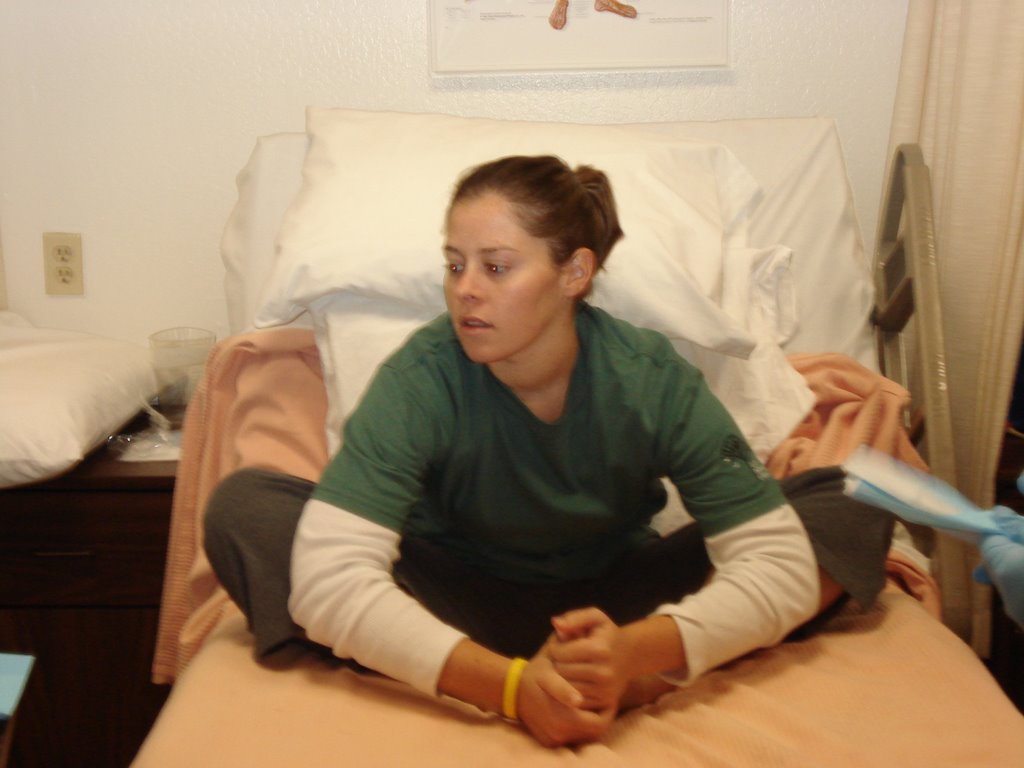 Lindsey Had To Stretch, B4 She Got Her N-G Tube
She Enjoyed The N-G Tube Too!
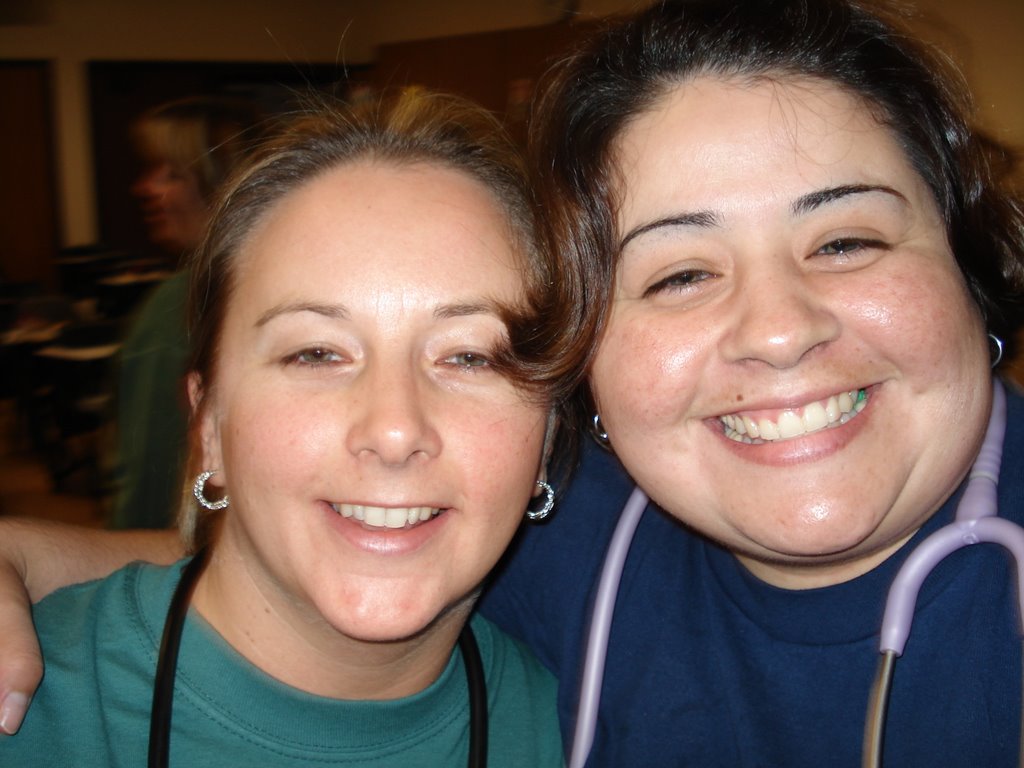 Kat and Cindy, Sneaking In a Picture!
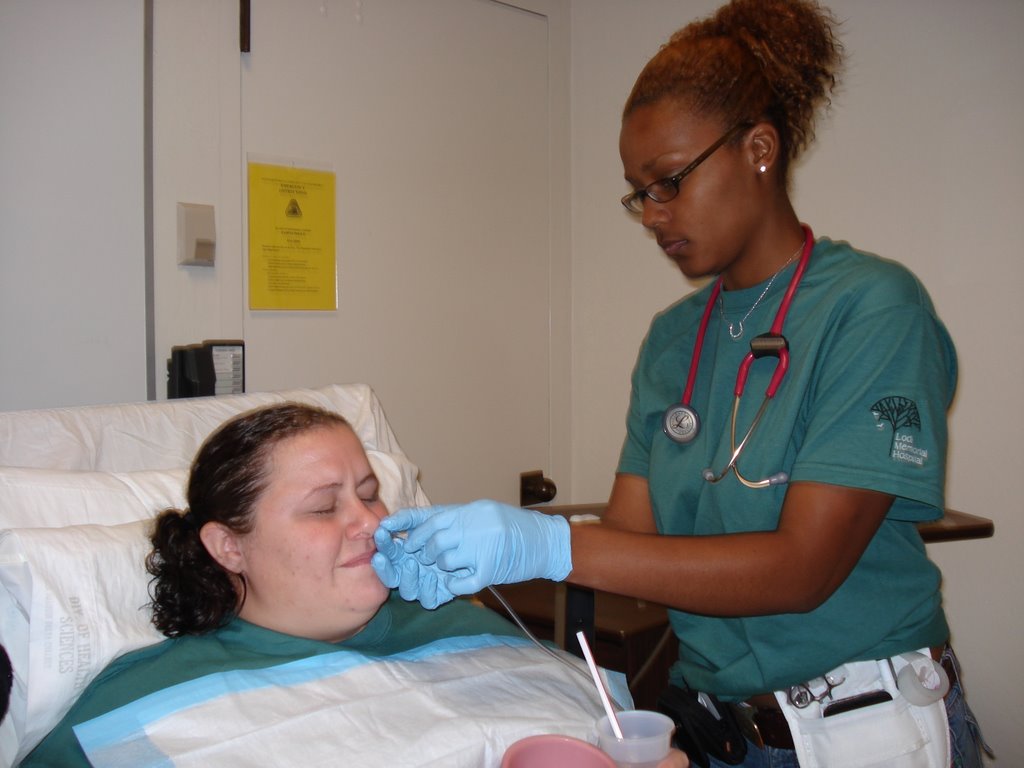 Jenny You Did SO GOOD!!!
 It Was An Honor, To Insert Two Feet Of Tubing Down Your Nose!
Wednesday, September 13, 2006
Tea Chairs
Hello
I Barbara Buonauro and Denise Williams will be hosting the tea for the next semester students. I will be meeting with Liana on Monday to get the how too's and do's for the tea. Anyone interested in helping out e-mail me at bjbuonauro@verizon.net and I will inform you sometime next week about how you can help. All your help is greatly appreciated.
Thank you so much
Barbara
I Barbara Buonauro and Denise Williams will be hosting the tea for the next semester students. I will be meeting with Liana on Monday to get the how too's and do's for the tea. Anyone interested in helping out e-mail me at bjbuonauro@verizon.net and I will inform you sometime next week about how you can help. All your help is greatly appreciated.
Thank you so much
Barbara
Tuesday, September 12, 2006
LMH Thank you ladies
I just wanted to say thank you to Nicole and Chrissy for all your help showing me the ropes today, your CNA experience is valuable to the group. I really felt good today, it seemed like we were all helping eachother out . I feel blessed to have such a great clinical group. :) ~
The Tea
I was wondering, have chair persons for the Tea been assigned? If so, who are they and how do we let them know that we are available for help, if needed. Can some clear this ball of confusion up for me? Thank You!!!
PS: Wow, we are still hangin in there. I am so proud of us!!!!!!!!!
PS: Wow, we are still hangin in there. I am so proud of us!!!!!!!!!
Monday, September 11, 2006
Question of the wwk, 9-11-06
An elderly client admitted after a fall begins to seize and lose consciousness. What action by the nurse is appropriate to do next?
1. Stay with client and observe airway obstruction.
2. Get pillows and pad the side rails of the bed.
3. place an oral airway in the mouth and suction
4. Announce a cardiac arrest and assist with intubation.
1. Stay with client and observe airway obstruction.
2. Get pillows and pad the side rails of the bed.
3. place an oral airway in the mouth and suction
4. Announce a cardiac arrest and assist with intubation.
EXAMS & QUIZZES
Hi All,
Just a note to remind every one to check their Delta email, Mrs. Semillo sent out a message with changes to our exam and quiz taking online, we will no longer get a summary of or test/quiz at the end...........So will need to make appt. to go over test/quiz in Semillo's office if we want to know what we missed. I guess it will be a busy office.
Just a note to remind every one to check their Delta email, Mrs. Semillo sent out a message with changes to our exam and quiz taking online, we will no longer get a summary of or test/quiz at the end...........So will need to make appt. to go over test/quiz in Semillo's office if we want to know what we missed. I guess it will be a busy office.
N3 Richard's Practice Qs for E1
1. Which of the following is the most common method by which drugs can cross the cell membrane to exert an effect?
a. Passage through channels or pores
b. Passage with the aid of a transport system
c. Direct penetration of the membrane
d. Transmission along a sodium channel
2. Which of the following is a true statement in regards to pH-dependent ionization?
a. An acid is a proton donor while a base is a proton acceptor.
b. Acids will ionize best in an acidic media.
c. For bases to ionize, the media must be alkaline.
d. When acids give up positively charged ions, the acid will become more basic.
3. A patient is receiving warfarin, a drug with a strong attraction to albumin. While taking the warfarin, the patient begins to take a second drug that also has a strong attraction to albumin. The nurse would need to watch the patient for signs of:
a. decreased effects of the warfarin since the second drug may cause the warfarin to bind more strongly to the albumin.
b. increased effects of the warfarin since the second drug may cause the warfarin to bind more strongly to the albumin.
c. subtherapeutic levels of warfarin since the second drug may displace the warfarin from the albumin.
d. toxic levels of warfarin since the second drug may displace the warfarin from the albumin.
4. The first-pass effect primarily alters a drug’s:
a. absorption.
b. distribution.
c. metabolism.
d. excretion.
5. Which of the following statements regarding antagonists is true?
a. They produce pharmacologic effects by causing receptor activation.
b. They cause receptor activation using exogenous substances.
c. Competitive antagonists bind reversibly to receptors while binding of non-competitive agonists is irreversible.
d. They are stronger in the absence of agonist substances.
6. When compared with a drug having a therapeutic index of 20, the margin of safety for a drug with a therapeutic index of 2 would be considered:
a. no different.
b. less safe.
c. safer.
d. less potent.
7. Two hours after taking a dose of penicillin, a patient arrives in the emergency department complaining of feeling ill. The nurse notes that the patient is scratching and that there is a widespread distribution of hives. While completing the assessment, this patient develops difficulty breathing and his blood pressure drops. The assessment of the situation is that:
a. the patient is experiencing a moderate allergic reaction that should improve shortly.
b. the patient is having a mild reaction that can be treated easily with an antihistamine.
c. these symptoms are probably due to something else because less than 10% of patients really have allergic responses.
d. The patient is experiencing an anaphylactic response.
8. The primary determinant of the intensity of an allergic drug reaction is:
a. the dose of drug ingested.
b. The body surface area of the patient.
c. the patients performance status.
d. the degree of sensitization.
9. Which of the following patients is most at risk for QT prolongation when a new drug is initiated?
a. a 60 year old man
b. a patient with hypertension
c. a patient with hypermagnesemia
d. a 50 year old woman
10. Which route of drug administration is most likely to affect drug bioavailability?
a. P.O.
b. Subcutaneous
c. Intramuscular
d. Intravenous
a. Passage through channels or pores
b. Passage with the aid of a transport system
c. Direct penetration of the membrane
d. Transmission along a sodium channel
2. Which of the following is a true statement in regards to pH-dependent ionization?
a. An acid is a proton donor while a base is a proton acceptor.
b. Acids will ionize best in an acidic media.
c. For bases to ionize, the media must be alkaline.
d. When acids give up positively charged ions, the acid will become more basic.
3. A patient is receiving warfarin, a drug with a strong attraction to albumin. While taking the warfarin, the patient begins to take a second drug that also has a strong attraction to albumin. The nurse would need to watch the patient for signs of:
a. decreased effects of the warfarin since the second drug may cause the warfarin to bind more strongly to the albumin.
b. increased effects of the warfarin since the second drug may cause the warfarin to bind more strongly to the albumin.
c. subtherapeutic levels of warfarin since the second drug may displace the warfarin from the albumin.
d. toxic levels of warfarin since the second drug may displace the warfarin from the albumin.
4. The first-pass effect primarily alters a drug’s:
a. absorption.
b. distribution.
c. metabolism.
d. excretion.
5. Which of the following statements regarding antagonists is true?
a. They produce pharmacologic effects by causing receptor activation.
b. They cause receptor activation using exogenous substances.
c. Competitive antagonists bind reversibly to receptors while binding of non-competitive agonists is irreversible.
d. They are stronger in the absence of agonist substances.
6. When compared with a drug having a therapeutic index of 20, the margin of safety for a drug with a therapeutic index of 2 would be considered:
a. no different.
b. less safe.
c. safer.
d. less potent.
7. Two hours after taking a dose of penicillin, a patient arrives in the emergency department complaining of feeling ill. The nurse notes that the patient is scratching and that there is a widespread distribution of hives. While completing the assessment, this patient develops difficulty breathing and his blood pressure drops. The assessment of the situation is that:
a. the patient is experiencing a moderate allergic reaction that should improve shortly.
b. the patient is having a mild reaction that can be treated easily with an antihistamine.
c. these symptoms are probably due to something else because less than 10% of patients really have allergic responses.
d. The patient is experiencing an anaphylactic response.
8. The primary determinant of the intensity of an allergic drug reaction is:
a. the dose of drug ingested.
b. The body surface area of the patient.
c. the patients performance status.
d. the degree of sensitization.
9. Which of the following patients is most at risk for QT prolongation when a new drug is initiated?
a. a 60 year old man
b. a patient with hypertension
c. a patient with hypermagnesemia
d. a 50 year old woman
10. Which route of drug administration is most likely to affect drug bioavailability?
a. P.O.
b. Subcutaneous
c. Intramuscular
d. Intravenous
Week#5 Reading Material
I have spoken with Mrs. Semillo and we have discovered a little error in what needs to be read.
Chapter 34 should be on week #8.
Chapter 42 is pp 1068-1076
Chapter 29 and 12 are correct
Hope this helps everyone.
Chapter 34 should be on week #8.
Chapter 42 is pp 1068-1076
Chapter 29 and 12 are correct
Hope this helps everyone.
Skills lab Friday
Skills lab went great on Friday, we got to feed eachother which was a little strange. Then we did finger sticks on ourselves, I never knew how hard it was to stick yourself, just the anticipation of the needle going into your skin made it really hard to do. Once you do it you realize it does not hurt that bad. Have fun :)~ Next Friday we are doing NG tubes on eachother.
Saturday, September 09, 2006
Pharmacology - Study Approaches
Hi all -
Was wondering if anyone who's taken Pharmacology (Nurs 3)
can suggest study approaches or any good reference resources that
haved helped in succeeding in the class.
Thanks for any suggestions!
Mary-Jane
P.S.
Congrats to everyone on completing their first week of clinicals! Yahoo!
Was wondering if anyone who's taken Pharmacology (Nurs 3)
can suggest study approaches or any good reference resources that
haved helped in succeeding in the class.
Thanks for any suggestions!
Mary-Jane
P.S.
Congrats to everyone on completing their first week of clinicals! Yahoo!
Friday, September 08, 2006
new grades posted for test and i think including quiz
Mrs. Semillo posted our grades on the docushare page.
study tools for upcoming quiz
I POSTED A LINK TO A WEBSITE CALLED STUDY STACK LAST WEEK AND I'V BEEN THERE TODAY AND THEY HAVE GREAT STUDY TOOLS FOR THE CHAPTERS ON OUR QUIZ. IT'S A GOOD WAY OF TESTING WHAT YOU KNOW. THEY HAVE ONLINE FLASHCARDS, GAMES (HAVING TO DO WITH NURSING TOPICS), AND OTHER STUDY TYPE THINGS. THE TOPICS FROM OUR QUIZ THAT ARE AVAILABLE THERE ARE: ELIMINATION, QUITE A FEW (ABOUT 6) ON FLUIDS AND ELECTROLYTES, HEMATOLOGICAL, AND CARDIO. THE ONLY THING I HAVEN'T FOUND YET IS OXYGEN. IT'S HELPFUL AND IT HELPS TO SEE IF YOU UNDERSTOOD WHAT YOU READ AND HEARD IN LECTURE. THE LINK IS http://www.studystack.com/category-22
Tea Chair Person(s)
Thanks for taking on this task. We already have alot on our plates and for you to take this on is wonderful.
For those of us that don't know all of the people yet (at least not by names, maybe by faces :) ), can you let us know your last names. I know there are several Barbaras.
For those of us that don't know all of the people yet (at least not by names, maybe by faces :) ), can you let us know your last names. I know there are several Barbaras.
Thursday, September 07, 2006
N3/HS3
Just a reminder that I will be in Shima 217 on Mondays as a Pharmacology tutor for any who are interested from 1330 until your class beginsd at 1500.
New Class Tea Chairs
Hey folks,
I think we have a couple of co-chairs for the incoming student's tea. Let's see if we can give Barbara and Denise a nice little nudge with a comment or email letting them know how much support they have!
Way to step up gals!!
I think we have a couple of co-chairs for the incoming student's tea. Let's see if we can give Barbara and Denise a nice little nudge with a comment or email letting them know how much support they have!
Way to step up gals!!
Hello nursing class of 2008! I am Christine Moles, 3rd semester. I met some of you in Mrs. Swanson's class. I want to wish you all the best and encourage you all the attend your family night that is approaching soon. What a fun night to share with your fellow students, and a great way for your family to see just what you all have been up to, and so much fun for your kids as well. Good luck all, and remember that there is money out there...St. Joes, Dameron and County all have scholarship programs, fill out a FAFSA even if you think you wont qualify...you might be surprised, sometimes just a fee waiver helps greatly! Take LOTS of pictures, you will use them at your graduation ceremony.....and enjoy this beginning to a new career as a nurse! We had a great america day in May, and I encourage you to plan such a day for your class....email me and I will tell you who to contact to set up your picnic, they will waive the deposit for the nursing program. And...one more thing....someone please volunteer to lead the way as the chair for the welcoming reception, it is a tough job, I did it for the class that did it for you...and they did an awesome job I hear...wasnt that a nice feeling to be welcomed so kindly? Please pay it forward and work as a team to create a special time for the class behind you ;)
Wednesday, September 06, 2006
Finally!!!

I Finally Got A Chance To Sit Down and Do Something Recreational! I Am Finally On The BLOG. So Much Has Gone On. Hi Everyone, See You All Tomorrow
Skills Lab info.......wrong chapter
Hi all,
Just wanted to let you know on the skills lab writing/reading assignments for this week it is stated on the schedule that the reading is ch.1 pp5-12 in techniques THIS IS WRONG.........it is actually chapter 12 in Techniques Infection control. (I think)
Have Fun
Just wanted to let you know on the skills lab writing/reading assignments for this week it is stated on the schedule that the reading is ch.1 pp5-12 in techniques THIS IS WRONG.........it is actually chapter 12 in Techniques Infection control. (I think)
Have Fun
I really need your help
Hello all!! Hope that your experiences are going well! I need a replacement chair to plan the welcome tea for the new students coming in January!!!! It is tradition and expected of the previous class to plan it for the next semester's!!! Please email me if you are interested in chairing...GUYS and GIRLS...you all should help by giving money as requested and showing support by going on the day of the tea. It is a tough job to plan a reception for 80 people, hospitals and faculty but you can do it...I have a binder with detailed information on sponsors...I need someone ASAP to get this binder and start planning. My email is lianasmail@yahoo.com first person to email me a chair request will get it...you will then need to put together a committee. Mary Neville needs a name soon guys...thanks!!
Liana Deville
Liana Deville
Tracy Area Study Group
The Tracy Area Study Group is forming now. You do not have to live in the area or attend clinicals at Sutter Tracy. If you are interested in joining this group you will need to have your Work Force Grant info submitted and contact Luz M. Gonzalez, Nursing Success Grant, Sr. Office Assistant at lgonzalez@deltacollege.edu or (209)954-5446 to express your interest in joining in.
Feel free to email me as well for more info re: location and times.
Feel free to email me as well for more info re: location and times.
Question of the Week - 09.04.06
A nurse is providing care to a primigravida whose membranes spontaneously ruptured (ROM) 4 hours ago. Labor is to be induced. At the time of the ROM, the vital signs were T-99.8 degrees Fahrenheit, P-84, R-20, BP-130/78, and fetal heart tones (FHT) 148 beats/min. Which assessment findings may be an early indication that the client is developing a complication of labor?
1. FHT 168 beats/min
2. Temperature 100 degrees Fahrenheit
3. Cervical dilation of 4 cm
4. BP 138/88
1. FHT 168 beats/min
2. Temperature 100 degrees Fahrenheit
3. Cervical dilation of 4 cm
4. BP 138/88
Tuesday, September 05, 2006
Word of Caution Re-Exam 1
Hi All,
For those of you who have not yet taken the exam, be careful when going on to next question when computer asks you if you are sure on submitting your answer, if you do not click exactly on the yes button then it clears your answer and you must re-answer the question before clicking yes again.........If not, you submit your answer with nothing marked and it's marked wrong and as left blank........This can make a big difference if you did just ok on the test!
Good Luck
For those of you who have not yet taken the exam, be careful when going on to next question when computer asks you if you are sure on submitting your answer, if you do not click exactly on the yes button then it clears your answer and you must re-answer the question before clicking yes again.........If not, you submit your answer with nothing marked and it's marked wrong and as left blank........This can make a big difference if you did just ok on the test!
Good Luck
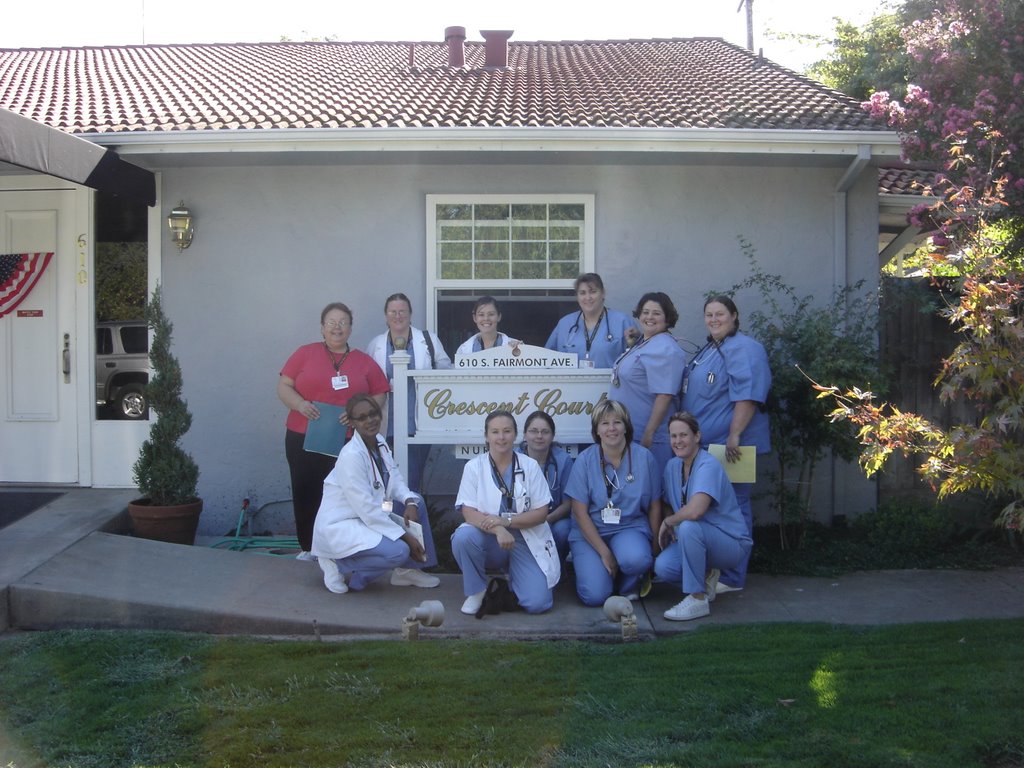
First Day of Clinicals
 Here is the Doctors Hospital group with Ms. Durston on our fisrt day! Tomorrow we each get our own patient. Oh boy........
Secrets to success...For N1
Hey everyone!
I am one of your friendly advisors from 2nd semester. Follow Semillo's study guide and for her remember that her LECTURE NOTES ARE GOLD! Anything that her notes don't cover, then you should refer to the textbook. I know this sounds backwards because the text is more current than her, but this is the secret to success for her class. Her answer, not the text's is the right answer. You must learn to think like she does. Good luck.
~Harrison
I am one of your friendly advisors from 2nd semester. Follow Semillo's study guide and for her remember that her LECTURE NOTES ARE GOLD! Anything that her notes don't cover, then you should refer to the textbook. I know this sounds backwards because the text is more current than her, but this is the secret to success for her class. Her answer, not the text's is the right answer. You must learn to think like she does. Good luck.
~Harrison
Monday, September 04, 2006
Help
I am a little overwhelmed no a lot. I have read all the study questions, I have read some of the power points from Semillo. I have done all the practice tests on CourseCompass. I don't feel like I am getting it. Can anyone give me some direction. Thanks
Nurs3 - Pharm update
Posted on Docushare by RSevilla
Calculation Exam 1 and Drug
Richard Sevilla posted on: 09/03/06 08:41 PM
I've decided to hand back everyone's Calc1 exam so we can correct them all together. After you have corrected them, I will score them afterwards. Also, the drug to look for is 'epinephrine' Hope you all had a great 3 day weekend. Richard
Calculation Exam 1 and Drug
Richard Sevilla posted on: 09/03/06 08:41 PM
I've decided to hand back everyone's Calc1 exam so we can correct them all together. After you have corrected them, I will score them afterwards. Also, the drug to look for is 'epinephrine' Hope you all had a great 3 day weekend. Richard
Sunday, September 03, 2006
Opening Test #1 ???
Has anyone else had any difficulties with Test # 1 ? I tried to open it and it went to an (ok) window, which I clicked...then nothing... I waited a while then tried it again and it was locked out, stating I had already taken the exam. Be careful, (I did e-mail Mrs. Semillo to see if it can be reset.) Many Tomorrow's and good luck to all, Tomara
Need email contact info
I am emailing the compiled Exam 1 Study question doc as we speak, but I see that many of you have not enabled an email addy in your profile. If you do not want to make your email public, no problem, but you will need to send me your email address so I can get the doc to you.
If/when you do make your email public on your profile, just respond in "comments" under this notice and I'll send it out ASAP.
To edit your profile, click on your name on the right side of the screen under "Contributors".. a screen should pop open and in the upper left hand corner will be a button that says "Edit your profile". Check the box that says "show my email address" to let others email you directly from the blog... the other boxes will allow folks to view your hobbies, interests etc.
Thank ya, thank ya!
Danielle
If/when you do make your email public on your profile, just respond in "comments" under this notice and I'll send it out ASAP.
To edit your profile, click on your name on the right side of the screen under "Contributors".. a screen should pop open and in the upper left hand corner will be a button that says "Edit your profile". Check the box that says "show my email address" to let others email you directly from the blog... the other boxes will allow folks to view your hobbies, interests etc.
Thank ya, thank ya!
Danielle
little more on 30
30- A- pg 262 16-3 4 types of assessments: initial, problem focused, emergency, and time lapsed. Assessments vary according to their purpose, timing, time available, and client status. Assessments should include the clients perceived needs, health problems, related experience, health practices, values, and lifestyles. To be most useful the data collected should be relevant to a particular health problem. JCAHO requires every patient have an initial assessment of history and a physical performed and documented within 24 hours of admission as an inpatient/. Types of data can be subjective or objective. Sources of data can be primary or secondary. Client is primary. Methods used to collect data are observation, interviews, and examining. To complete the assessment phase the client’s data is recorded in a factual matter. Assessment must be complete and accurate because nursing diagnoses and interventions are based on this info.
D- 5 types of diagnosis: actual-client problem that is present at the time of the assessment and is based on the presence of associated signs and symptoms. Risk- clinical judgment that a problem does not exist, but the presence of risk factors indicates that a problem is likely to develop unless nurses intervene. Wellness- describes human responses to levels of wellness in an individual, family, or community that have a readiness for enhancement. Possible- one in which evidence about a health problem is incomplete or unclear. Requires more data either to support or to refute it. Syndrome- diagnosis associated with a cluster of other diagnoses.
Diagnosis has three components: the problem and its definition, the etiology, the defining characteristics.
P- Types of planning include the initial, ongoing, and discharge. Initial- the nurse who performs the admission assessment usually develops the initial comprehensive plan of care. Planning should be initiated right away, especially because of the trend towads shorter hospital stays. Ongoing- done by all nurses who work with the client? As nurses obtain new information and evaluate the clients responses to care they can individualized the initial care plan sooner.
Discharge- the process of anticipating and planning for needs and after discharge is a crucial part of comprehensive health care and should be addressed in each cleats care plan.
I- consists of doing and documenting the activities that are the specific nursing actions needed to carry out the interventions. The nurse performs or delegates the nursing activities for the interventions that are developed in the planning step and then concludes the implementing phase by recording the interventions and the resulting client response. To implement a care plan successfully, nurses need cognitive, interpersonal and technical skills. Process of implementation on p 317 fig 19-1. the desired outcomes determine the data that must be collectd to evaluate the client’s health status. Before implementing an order, the nurse reassesses the client to be sure that the order is still appropriate.
E-determine the effectiveness of the interventions.
D- 5 types of diagnosis: actual-client problem that is present at the time of the assessment and is based on the presence of associated signs and symptoms. Risk- clinical judgment that a problem does not exist, but the presence of risk factors indicates that a problem is likely to develop unless nurses intervene. Wellness- describes human responses to levels of wellness in an individual, family, or community that have a readiness for enhancement. Possible- one in which evidence about a health problem is incomplete or unclear. Requires more data either to support or to refute it. Syndrome- diagnosis associated with a cluster of other diagnoses.
Diagnosis has three components: the problem and its definition, the etiology, the defining characteristics.
P- Types of planning include the initial, ongoing, and discharge. Initial- the nurse who performs the admission assessment usually develops the initial comprehensive plan of care. Planning should be initiated right away, especially because of the trend towads shorter hospital stays. Ongoing- done by all nurses who work with the client? As nurses obtain new information and evaluate the clients responses to care they can individualized the initial care plan sooner.
Discharge- the process of anticipating and planning for needs and after discharge is a crucial part of comprehensive health care and should be addressed in each cleats care plan.
I- consists of doing and documenting the activities that are the specific nursing actions needed to carry out the interventions. The nurse performs or delegates the nursing activities for the interventions that are developed in the planning step and then concludes the implementing phase by recording the interventions and the resulting client response. To implement a care plan successfully, nurses need cognitive, interpersonal and technical skills. Process of implementation on p 317 fig 19-1. the desired outcomes determine the data that must be collectd to evaluate the client’s health status. Before implementing an order, the nurse reassesses the client to be sure that the order is still appropriate.
E-determine the effectiveness of the interventions.
little more on 27
27- Activities nurses are licensed to initiate on the basis of their knowledge and skills. Independent nursing interventions include physical care, ongoing assessment, emotional support and comfort, teaching, counseling, environmental management, and mankind referrals
Great info. source!
Hi All,
just a note to let you all know that the fundamentals for nursing ATI book is an awsome source of information!! I was browsing through it this morning and actually found many answers to our study guide questions summerized in this book.
It is well worth your time to check it out.....
Happy Reading
just a note to let you all know that the fundamentals for nursing ATI book is an awsome source of information!! I was browsing through it this morning and actually found many answers to our study guide questions summerized in this book.
It is well worth your time to check it out.....
Happy Reading
more on 32... need negatives!
32-ch 18 294-298 ch 20 338-33920 pg 338-33920 pg 338-33920 pg 338-339
*Informal care plans: strategy for action that exists in the nurse’s mind.
*Formal care plans: a written or computerized guide that organizes information about the client’s care. The obvious benefit of a formal written care plan is that it provides for continuity of care.
- Standardized care plan (includes collaborative): formal plan that specifies the nursing care for groups of clients with common needs. Preprinted guides for the nursing care of a client who has a need that arises frequently in the agency. Written from the perspective of what care the client can expect and should not be confused with standards of care. Developed to save documentation time. May be based on institutions standards of practice, thereby helping to provide a high quality of nursing care. Collaborative specifies outcomes and interventions and also includes medical treatments to be performed by other health care providers as well
+provide detailed interventions and contain additions or deletions from the standards of care of the agency.
+ Minimum acceptable standards are met
+ They promote efficient use of nurses’ time by removing the need to author common activities that are done over and over for many of the clients on a nursing unit
- Individualized care plan (I think it is also referred to as a traditional care plan): tailored to meet the unique needs of a specific client- needs that are not addressed by the standardized plan. Written for each client
+specifies outcomes and nursing interventions to address client problems.
Need help on the negatives… couldn’t really figure any out.
*Informal care plans: strategy for action that exists in the nurse’s mind.
*Formal care plans: a written or computerized guide that organizes information about the client’s care. The obvious benefit of a formal written care plan is that it provides for continuity of care.
- Standardized care plan (includes collaborative): formal plan that specifies the nursing care for groups of clients with common needs. Preprinted guides for the nursing care of a client who has a need that arises frequently in the agency. Written from the perspective of what care the client can expect and should not be confused with standards of care. Developed to save documentation time. May be based on institutions standards of practice, thereby helping to provide a high quality of nursing care. Collaborative specifies outcomes and interventions and also includes medical treatments to be performed by other health care providers as well
+provide detailed interventions and contain additions or deletions from the standards of care of the agency.
+ Minimum acceptable standards are met
+ They promote efficient use of nurses’ time by removing the need to author common activities that are done over and over for many of the clients on a nursing unit
- Individualized care plan (I think it is also referred to as a traditional care plan): tailored to meet the unique needs of a specific client- needs that are not addressed by the standardized plan. Written for each client
+specifies outcomes and nursing interventions to address client problems.
Need help on the negatives… couldn’t really figure any out.
Saturday, September 02, 2006
Hey so I was thinking about how a nursing process question might be asked and i thought we might have to identify which step a certain phrase would fit under... Anyway I was looking in the test success book and it has key words that are used in each step: Assessment- inspect, identify, verify, observe, determine, notify, check, inform, question, communicate, verbal, nonverbal, signs, symptoms, stressors, adaptations, sources, perceptions, and assess. Diagnosis (they also refer to it as analysis which makes a bit more sense to me)- valid, organize, categorize, cluster, reexamine, pattern, formulate, nursing diagnosis, reflect, problem, interpret, contribute relevant, decision, significant, deduction, statement, and analysis. Planning- achieve, desired, plan, effective, desired results, goal, priority, develop, formulate, establish, design, prevent, strategy, select, determine, anticipate, modify, collaborate, arrange, coordinate, expect, and outcome. Implementation or Intervention - dependent, independent, interdependent, change, assist, counsel, teach, give, supervise, perform, method, procedure, treatment, instruct, strategy, reassess, facilitate, provide, inform, refer, technique, motivate, delegate, and implement. Evaluation - expected, met, desired, compared, succeeded, failed, achieved, modified, reassess, ineffective, effective response, compliance, noncompliance, and evaluate. So if you get a question on where something might fit into the Nursing process and your deciding on two answers... Their might be a key word that can help you...
CONGRATS BLOGGERS!!!
I think this must have been some kind of blogger record for the fastest completion of study questions!! Keep those comments/adds coming in.
I'll have a compiled doc out to you all by tomorrow night.
I'll have a compiled doc out to you all by tomorrow night.
#32 care plans
There are two types of care plans traditional care plan and standardized care plan.
TRADITIONAL CARE PLAN : written for each client forms vary from agency to agency according to the client needs and departments usually have three columns, one for nursing dx, a second fro expected outcomes, and a third for nursing interventions.
STANDARDIZED CARE PLAN: developed to save documentation time, plans may be based on institution's standard of practice, helping to provide a high quality of nursing care. Standardized plans must be individualized by the nurse in order to adequately address individual client needs.
fundamentals ch 20 pg 338-339 more info can be found in ch 18
sorry, I forgot to discuss advantages and disadvantages I was trying to hurry as it is getting hard to focus, been at this all day...........
TRADITIONAL CARE PLAN : written for each client forms vary from agency to agency according to the client needs and departments usually have three columns, one for nursing dx, a second fro expected outcomes, and a third for nursing interventions.
STANDARDIZED CARE PLAN: developed to save documentation time, plans may be based on institution's standard of practice, helping to provide a high quality of nursing care. Standardized plans must be individualized by the nurse in order to adequately address individual client needs.
fundamentals ch 20 pg 338-339 more info can be found in ch 18
sorry, I forgot to discuss advantages and disadvantages I was trying to hurry as it is getting hard to focus, been at this all day...........
little more for # 37
Hey sorry havent responded... just got home from work... anyway here goes... 37. In the clear liquid diet, clients aren’t recieving essential protein, fiber, fat soluble vitamins, and not enough calories, fat, vitamins, minerals, and protein., ( This diet MUST be temporary)
In liquid diet, clients don’t receive enough iron, protein or calories... they receive too much cholesteral... also they need to take a ballanced oral supplement.
In soft diet, client has a difficulty swallowing and chewing... however they usually don’t get enough fiber.
In liquid diet, clients don’t receive enough iron, protein or calories... they receive too much cholesteral... also they need to take a ballanced oral supplement.
In soft diet, client has a difficulty swallowing and chewing... however they usually don’t get enough fiber.
technical glich
Hi all, I did post #29 just a minute ago but blogger linked it to my previous post about working on #29 back at around 8:30 or so, you will need to back up to find #29. Sorry for any confusion. This is awsome team work, it is so great to see so many of us all working together to lessen the work load and gaining so much information all at the same time.
#12
12. Strategies to prevent bacterial growth and infection.
ASSESS Recognize the client’s risk for infection
Age, heredity, stress, nutritional status, current med therapy and pre-existing disease
Recognize sign and symptoms of infection
Local - Swelling, redness, pain or tenderness with palpation or movement, heat, loss of function of body part, open wounds
Systemic - fever, increased p&r, malaise, anorexia, enlarged or tender lymph nodes
Lab Data – elevated leukocyte, ESR, - urine, blood, sputum, drainage cultures indicating pos for pathogenic m-orgs
DIAGNOSE Identify risk factors –
NANDA – Risk for Infection
Inadequate primary defense – broken skin, trauma, etc
Inadequate secondary defense – immunosuppression, leukopenia, etc.
PLAN Maintain or restore defenses
Consider appropriate client room location/room mate, diet, hygiene, etc
IMPLEMENT Strategies to prevent infection
use aseptic techniques, hand washing, gloves, no cross contamination, wound maintenance, maintain skin integrity.
Prevent nosocomial infections, Change soiled dressings, dispose of linens appropriately, etc
Kozier Fundamentals
145,641,664-65
ASSESS Recognize the client’s risk for infection
Age, heredity, stress, nutritional status, current med therapy and pre-existing disease
Recognize sign and symptoms of infection
Local - Swelling, redness, pain or tenderness with palpation or movement, heat, loss of function of body part, open wounds
Systemic - fever, increased p&r, malaise, anorexia, enlarged or tender lymph nodes
Lab Data – elevated leukocyte, ESR, - urine, blood, sputum, drainage cultures indicating pos for pathogenic m-orgs
DIAGNOSE Identify risk factors –
NANDA – Risk for Infection
Inadequate primary defense – broken skin, trauma, etc
Inadequate secondary defense – immunosuppression, leukopenia, etc.
PLAN Maintain or restore defenses
Consider appropriate client room location/room mate, diet, hygiene, etc
IMPLEMENT Strategies to prevent infection
use aseptic techniques, hand washing, gloves, no cross contamination, wound maintenance, maintain skin integrity.
Prevent nosocomial infections, Change soiled dressings, dispose of linens appropriately, etc
Kozier Fundamentals
145,641,664-65
#28
Age related changes of each system in the elderly. Physical changes - lean body mass reduced and fat tissue increase until around age 60, bone mass decreases, extracellular fluid remains constant, however, intracellular fluid decreases and leads to reduced total body fluid. Elders are at risk of dehydration. Integument -The skin becomes drier and more fragile, the hair loses color, the fingernails and toenails become thickened and brittle, and in women over 60, facial hair increases. These integumentary changes accompany progressive losses of subcutaneous fat and muscle tissue, muscle atrophy, and loss of elastic fiber, resulting in a "double" chin, sagging of eyelids and earlobes, and wrinkling of skin, especially in areas exposed to sun. Bony prominences become visible. In older women, the breasts become smaller and may sag; if large and pendulous, they may cause chafing where the skin surfaces touch. Loss of subcutaneous fat also decreases elders tolerance of cold. Neuromusculoskeletal - gradual reduction in the speed and power of skeletal or voluntary muscle contractions and sustained muscular effort. After 50 decrease in muscle fibers. Often balance is impaired with age. The person's reaction time slows with age. Decrease muscle tone as a result of diminished physical activity. Ran out of room. Fundamentals pg 401-412
#36
36. Discuss the assessment of the carotid arteries.
The carotids arteries supply oxygenated blood to the head and neck. Because they are the only source of blood to the brain, prolonged occlusion of these arteries can result in serious brain damage. The carotid is also auscultated for a bruit and if a bruit is found, the carotid artery is then palpated for a thrill. A bruit (a blowing or swishing sound) is created by turbulence of blood flow due either to a narrowed arterial lumen (a common development in older adults) or to a condition such as anemia. A thrill, which frequently accompanies a bruit, is a vibrating sensation like the purring of a cat, it too indicates turbulent blood flow due to arterial obstruction. Page 582
Great Blogging!
YOu guys are great. Way to share the workload. It is great to see more than a couple of people posting too. Keep it up. Now that's teamwork.
#21
Modes of Organism Transmission: Direct Transmission-person to person through touching, biting, kissing, or sexual transmission. Indirect transmission may be either vehicle-borne or vector-borne. Vehicle-borne any substance that serves as an intermediate means to transport and introduce an infectous agent into a susceptible host through a suitable portal of entry. Example food or water may become contaminated by a food handler who carries the hep A virus. The food is then ingested by a susceptible host. Vector-borne is an animal or flying or crawling insect that serves as an intermediate means of transporting the infectious agent. Another mode is airborne transmission may involve droplets or dust.
Fundamentals pg 633
Fundamentals pg 633
problem 31
31. Discuss the common health problems of older adults.
Health problems that older adults may experience include accidents, chronic disabling disease, drug abuse and misuse, alcoholism, dementia, and abuse. Leading causes of death for people ages 65 and over are heart disease, cerebrovascular disease (smoke), pneumonia/influenza, obstructive lung disease and cancer.
a. Hypothermia: body temperature below normal. A lowered metabolism and loss of normal insulation from thinning subcutaneous tissue decrease the older client’s ability to retain heat.
b. Accidents: falls, and fire are a hazard that elder’s need to more caution of.
c. Dementia: slow, insidious process that results in progressive loss of cognitive functions. It is characterized by changes in memory, judgement, language, mathematics calculations, abstract reasoning, and problem solving ability. Common type of dementis is Alzheimer’s. A person with this disease or any other types of dementia experience increasing safety needs as their condition deteriorates.
d. Chronic Illness: arthritis, osteoporosis, heart disease, stroke, hearing and visual alterations, and cognitive dysfunction. Client may need increasing help with activities of daily living, such as feeding and hygiene.
e. The complexities involved in the self-administration of medication may lead to a variety of misuse situations, including taking too little or too much medications, combining alcohol and medication, combining prescribed medications with over the counter drugs, taking medications at the wrong time, or taking someone else’s medications. Page 410
#19
orthostatic hypotension-
a BP that falls when a client sits or stands. It is a resut of peripheral vasodilation in which blood leaves the central body organs, especially the brain, and moves to the periphery, causing to feel faint. Can be caused by analgesics (Demerol), bleeding, severe burns and dehydration.
Assessing:
- Place client in Supine position for 2-3 min.
- Record Pulse and BP
- Assist client to slowly sit or stand, support incase of faintness
-After 1 Min in upright position recheck pulse and BP at same sites
- Record Results. A rise in pulse of 40 beats per min or a drop in BP of 30 mm Hg indicates abnormal orthostatic vital signs
P. 511 FUNDAMENTALS
a BP that falls when a client sits or stands. It is a resut of peripheral vasodilation in which blood leaves the central body organs, especially the brain, and moves to the periphery, causing to feel faint. Can be caused by analgesics (Demerol), bleeding, severe burns and dehydration.
Assessing:
- Place client in Supine position for 2-3 min.
- Record Pulse and BP
- Assist client to slowly sit or stand, support incase of faintness
-After 1 Min in upright position recheck pulse and BP at same sites
- Record Results. A rise in pulse of 40 beats per min or a drop in BP of 30 mm Hg indicates abnormal orthostatic vital signs
P. 511 FUNDAMENTALS
#27
Discuss independent nursing actions
Nurses have responsibilities related to both medical and nursing diagnoses. Nursing diagnoses relate to the nurse’s independent functions, that is areas of health care that are unique to nursing and separate and distinct from medical management.
Nurses may not prescribe all the care for a nursing diagnosis, but if the problem is a nursing diagnosis, the nurse can prescribe most of the interventions needed for prevention or resolution.
For example, most clients with a nursing diagnosis of PAIN have medical orders for analgesics, but many nursing interventions can also alleviate pain (e.g. guided imagery or teaching a client to splint an incision).
With regard to medical diagnosis, nurses are obligated to carry out physician prescribed therapies and treatments, that is dependent functions.
Kozier Fundamentals p281
Nurses have responsibilities related to both medical and nursing diagnoses. Nursing diagnoses relate to the nurse’s independent functions, that is areas of health care that are unique to nursing and separate and distinct from medical management.
Nurses may not prescribe all the care for a nursing diagnosis, but if the problem is a nursing diagnosis, the nurse can prescribe most of the interventions needed for prevention or resolution.
For example, most clients with a nursing diagnosis of PAIN have medical orders for analgesics, but many nursing interventions can also alleviate pain (e.g. guided imagery or teaching a client to splint an incision).
With regard to medical diagnosis, nurses are obligated to carry out physician prescribed therapies and treatments, that is dependent functions.
Kozier Fundamentals p281
#29 Phases of Critical Thinking
CRITICAL THINKING :
Process which stresses an attitude of suspended judgment, incorporates logical thinking, problem solving, evaluation and leads to decision or action. Dynamic cognitive process that helps to apply knowledge through interpretation, analysis, evaluation, draw inferences and provide explanations to ensure accuracy in making clinical decisions (lecture power point definitions 9/1)
The nursing process phases of ADPIE and critical thinking are interrelated and interdependent but they are not identical, both involve problem solving, decision making and creativity.
PHASES OF CRITICAL THINKING :
DECISION MAKING---includes setting and weighing criteria, seeking alternatives, examining alternatives, projecting, implementing and evaluation the action.
STEPS OF DECISION MAKING:
1. Identify the purpose--identify why a decision is needed and what needs to be
determined.
2. Set criteria--what to achieve (pain relief) what to preserve(cognitive &
physical
function) what to avoid (CNS depression,resp.depression,nausea)
3. Weigh the criteria--set priorities,rank activities from least to most
important.
4. Seek alternatives--all possible ways to meet criteria.
5. Examine alternatives--analyze alternatives
6. Project-- apply creative thinking and skepticism to see what could go wrong.
7. Implement--decision plan placed into action
8. Evaluate the outcome--determine the effectiveness of the plan and if initial
purpose was achieved.
PROBLEM SOLVING: trial and error, intuition,the nursing process,the scientific method,and the modified scientific method or research process when they participate in nursing and health research.
CREATIVITY: Enhances critical thinking creative nurses generate many ideas rapidly, are flexible and natural, create original solutions to problems, tend to be independent and self confident and demonstrate individuality.
Please fill free to add on or comment on this topic if your understanding differs.
Information from chapter 15 multiple pages and chapter summary
Process which stresses an attitude of suspended judgment, incorporates logical thinking, problem solving, evaluation and leads to decision or action. Dynamic cognitive process that helps to apply knowledge through interpretation, analysis, evaluation, draw inferences and provide explanations to ensure accuracy in making clinical decisions (lecture power point definitions 9/1)
The nursing process phases of ADPIE and critical thinking are interrelated and interdependent but they are not identical, both involve problem solving, decision making and creativity.
PHASES OF CRITICAL THINKING :
DECISION MAKING---includes setting and weighing criteria, seeking alternatives, examining alternatives, projecting, implementing and evaluation the action.
STEPS OF DECISION MAKING:
1. Identify the purpose--identify why a decision is needed and what needs to be
determined.
2. Set criteria--what to achieve (pain relief) what to preserve(cognitive &
physical
function) what to avoid (CNS depression,resp.depression,nausea)
3. Weigh the criteria--set priorities,rank activities from least to most
important.
4. Seek alternatives--all possible ways to meet criteria.
5. Examine alternatives--analyze alternatives
6. Project-- apply creative thinking and skepticism to see what could go wrong.
7. Implement--decision plan placed into action
8. Evaluate the outcome--determine the effectiveness of the plan and if initial
purpose was achieved.
PROBLEM SOLVING: trial and error, intuition,the nursing process,the scientific method,and the modified scientific method or research process when they participate in nursing and health research.
CREATIVITY: Enhances critical thinking creative nurses generate many ideas rapidly, are flexible and natural, create original solutions to problems, tend to be independent and self confident and demonstrate individuality.
Please fill free to add on or comment on this topic if your understanding differs.
Information from chapter 15 multiple pages and chapter summary
#15
Discuss accident prevention in the home for the elderly:
Assessment should be done at home before patient is discharged. That way when the patient comes home, he/she will be living in as safe of an evvironment is possible. Check home for safety; all cords, loose rugs, or floor surfaces that are slippery need to be taken care of before patient comes home. Other things to consider are: the types of furniture in the home, stairs, if cabinets are too high, placement and type of matress, hard to reach switches. A walker, safety bars, assistance devices for toileting and bathing to help keep from slipping, and better lighting will all help to avoid accidents. Examples taken from the "techniques" book pg 225. :)
Assessment should be done at home before patient is discharged. That way when the patient comes home, he/she will be living in as safe of an evvironment is possible. Check home for safety; all cords, loose rugs, or floor surfaces that are slippery need to be taken care of before patient comes home. Other things to consider are: the types of furniture in the home, stairs, if cabinets are too high, placement and type of matress, hard to reach switches. A walker, safety bars, assistance devices for toileting and bathing to help keep from slipping, and better lighting will all help to avoid accidents. Examples taken from the "techniques" book pg 225. :)
#10
laarni's answer to #10:
10. Discuss and describe the nursing considerations when preparing to conduct a physical health exam. Pg 526
Nursing considerations include: preparing the environment for proper lighting, temperature, and privacy; positioning the client according to client’s comfort and type of examination; draping the client to avoid exposure; ensuring equipment accessibility, cleanliness, and operational condition; applying methods of examination (inspection, palpation, percussion,and auscultation).
10. Discuss and describe the nursing considerations when preparing to conduct a physical health exam. Pg 526
Nursing considerations include: preparing the environment for proper lighting, temperature, and privacy; positioning the client according to client’s comfort and type of examination; draping the client to avoid exposure; ensuring equipment accessibility, cleanliness, and operational condition; applying methods of examination (inspection, palpation, percussion,and auscultation).
#19
Orthostatic hypotension - decrease in blood pressure related to positional or postural changes from lying to sitting or standing positions. Place the client in a supine position for 2 to 3 minutes. Record the client's pulse and blood pressure. Assist the client to slowly sit or stand. Support the client in case of faintness. After 1 minute in the upright position, recheck the pulse and blood pressure in the same sites as previously. Record the results. A rise in pulse of 40 beats per minute or a drop in blood pressure of 30 mm Hg indicates abnormal orthostatic vital signs.
I probably didn't answer this right. Consideration means careful thought. So as a nurse my careful thought would be to assist client in changing from a sitting to standing positions. To assist the client in walking. To assist in ROM because immoblity is a common result of orthostatic hypotension. Fundamental pg 510 and 1068
I probably didn't answer this right. Consideration means careful thought. So as a nurse my careful thought would be to assist client in changing from a sitting to standing positions. To assist the client in walking. To assist in ROM because immoblity is a common result of orthostatic hypotension. Fundamental pg 510 and 1068
Great Job Everyone!
Great job to everyone who has helped out by posting an answer! Remember if you're just looking at the blog now and want to contribute you can always add your two cents to someone elses post. The more info the better. Happy studying everyone.
Complilation of answers
Hey folks, just so you don't waste time re-inventing the wheel... I am compiling all answers and comments (in a cleaned up format) into one document. I will email to all who contributed once all answers have been completed and some time has passed allowing for comments.
Also, you may want to email or call your clinical team or skills lab team and let them know we are doing this.... the word may not be out yet and even if all answers have been completed, comments and discussion will benefit us all!
Also, you may want to email or call your clinical team or skills lab team and let them know we are doing this.... the word may not be out yet and even if all answers have been completed, comments and discussion will benefit us all!
#9
#9
Standard Precautions:
(Tier 1) These precautions are used in the care of all hospitalized persons regardless of their diagnosis or possible infection status. They combine the major features of the Universal Precaution (UP) and the Body Substance Isolation (BSI).
-Designed for all clients in the hospital.
-These precautions apply to blood, all body fluids, excretions and secretions except sweat; nointact (broken) skin; and mucous membranes.
- Designed to reduce the risk of transmission of microorganisms from recognized and unrecognized sources.
(1) Wash hands after contact with blood, body fluids, secretions, excretions, and contaiminated objects whether or not gloves are worn.
(2) Wear clean gloves when touching blood, body fluids, secretions, excretions, and contaiminated items.
(3) Wear a mask, eye protection, or a face shield if splashes or sprays of blood, body fluids, secretions, or excretions can be expected.
(4) Wear a a clean nonsterile gown if client care is likely to result in spashes or sprays of blood, body fluids, secretions or excretions. The gown is intended to protect clothing.
(5) Handle client care equiptment that is soiled with blood, body fluids, secretions, or excretions in a manner to prevent the transfer of microorganisms to others and to the environment.
(6) Handle, transport, and process linen taht is soiled with blood, body fluids, secretions, or excretions in a manner to prevent contamination of clothing and the transfer of microorganisms to others and to the environment.
(7) Prevent injuries from used scalpels, needles, or other equiptment, and place in puncture-resistant containers.
p.649 Fundamentals
Standard Precautions:
(Tier 1) These precautions are used in the care of all hospitalized persons regardless of their diagnosis or possible infection status. They combine the major features of the Universal Precaution (UP) and the Body Substance Isolation (BSI).
-Designed for all clients in the hospital.
-These precautions apply to blood, all body fluids, excretions and secretions except sweat; nointact (broken) skin; and mucous membranes.
- Designed to reduce the risk of transmission of microorganisms from recognized and unrecognized sources.
(1) Wash hands after contact with blood, body fluids, secretions, excretions, and contaiminated objects whether or not gloves are worn.
(2) Wear clean gloves when touching blood, body fluids, secretions, excretions, and contaiminated items.
(3) Wear a mask, eye protection, or a face shield if splashes or sprays of blood, body fluids, secretions, or excretions can be expected.
(4) Wear a a clean nonsterile gown if client care is likely to result in spashes or sprays of blood, body fluids, secretions or excretions. The gown is intended to protect clothing.
(5) Handle client care equiptment that is soiled with blood, body fluids, secretions, or excretions in a manner to prevent the transfer of microorganisms to others and to the environment.
(6) Handle, transport, and process linen taht is soiled with blood, body fluids, secretions, or excretions in a manner to prevent contamination of clothing and the transfer of microorganisms to others and to the environment.
(7) Prevent injuries from used scalpels, needles, or other equiptment, and place in puncture-resistant containers.
p.649 Fundamentals
#15
Accident prevention is a major concern for older people.
Falling - prevention: hand rails, one level homes, keep house tidy, use walking devices
Vision - turning head when changing lanes, not to drive at night or in hazardous conditions
Not to use stoves or fireplaces and turn down water heat so that they don't burn from hot water
Take only prescribed medication.
People with Alzheimer's disease or other types of dementia: keep poisons and medications out of reach(preferably locked up), take knobs off kitchen stoves to prevent burns and fires, and put special locks on doors for persons who tend to wander. Fundamentals pg 410
More info in Chapter 30 pg 678
Falling - prevention: hand rails, one level homes, keep house tidy, use walking devices
Vision - turning head when changing lanes, not to drive at night or in hazardous conditions
Not to use stoves or fireplaces and turn down water heat so that they don't burn from hot water
Take only prescribed medication.
People with Alzheimer's disease or other types of dementia: keep poisons and medications out of reach(preferably locked up), take knobs off kitchen stoves to prevent burns and fires, and put special locks on doors for persons who tend to wander. Fundamentals pg 410
More info in Chapter 30 pg 678
I fixed my computer, so here is question #28
#28 Discuss the age related changes of each system in the elderly and what problems could arise.
Integumentary
Due to decrease in sebaceous gland activity and tissue fluid, we see increased skin dryness. Due to decreased vascularitiy, we see increased skin pallor. Due to reduced thickness and vascularity of the dermis; loss of subcutaneous fat, we see an increased skin fragility. Due to loss of skin elasticity, increased dryness, and decreased subcutaneous fat, we see progressive wrinkling and sagging of the skin. Due to clustering of melanocytes, we see brown age spots on exposed body parts e.g. face, hands, and arms. Due to reduced number of unction of sweat glands, we see decreased perspiration. Due to progressive loss of pigment cells form the hair bulbs, we see thinning and graying of scalp, pubic, and axillary hair. Due to increased calcium deposition, we see slower nail growth and increased thickening with ridges.
Neuromuscular
Due to decrease in muscle fibers, we see decreased speed and power of skeletal muscle contractions. Due to diminished conduction speed of nerve fibers and decreased muscle tone, we see slowed reaction time. Due to atrophy of intervertebral discs, we see loss of height. Due to bone demineralization, we see osteoporosis. Due to deterioration of joint cartilage, we see joint stiffness. Due to decreased muscle reaction time and coordination, we see impaired balance.
Sensory/perceptual
Due to degeneration leading to lens opacity (cataracts), thickening, and inelasticity (presbyopia), we see loss of visual acuity. Due to changes in the ciliary muscles; rigid pupil sphincter; decrease in pupil size, we see increased sensitivity to glare and decreased ability to adjust to darkness. Due to fatty deposits, we see partial or complete glossy white circle around the periphery of the corneas. Due to changes in the structures and nerve tissues in the (presbycusis) inner ear; thickening of the eardrum, we see progressive loss of hearing. Due to decreased number of taste buds in the tongue because f tongue atrophy, we see decreased sense of taste, especially the sweet sensations at the tip of the tongue. Due to atrophy of the olfactory bulb at the base of the brain, we see a decreased sense of smell. Due to possible nerve conduction and neuron changes, we see an increased threshold for sensations of pain, touch, and temperature.
Pulmonary
Due to decreased elasticity and ciliary activity, we see decreased ability to expel foreign or accumulated matter. Due to weakened thoracic muscles; calcification of costal cartilage, making the rib cage more rigid; dilation from inelasticity of alveoli, we see decreased lung expansion, less effective exhalation, reduced vital capacity, and increased residual volume. Due to diminished delivery and diffusion of oxygen to the tissues to repay the normal oxygen debt because of exertion or changes in both respiratory and vascular tissues, we see difficult, short, heavy, rapid breathing (dyspnea) following intense exercise.
Cardiovascular
Due to increased rigidity and thickness of heart valves (hence decreased filling/emptying abilities); decreased contractile strength, we see reduced cardiac output and stroke volume, particularly during increased activity or unusual demands; may result in shortness of breath on exertion and pooling of blood in the extremities. Due to increased calcium deposits in the muscular layer, we see reduced elasticity and increased rigidity of arteries. Due to inelasticity of systemic arteries and increased peripheral resistance, we see increase in diastolic and systolic blood pressure. Due to reduced sensitivity of the blood pressure-regulating baroreceptors, we see orthostatic hypertension.
Gastrointestinal
Due to alterations in the swallowing mechanism, we see delayed swallowing time. Due to gradual decrease in digestive enzymes, reduction in gastric ph, and slower absorption rate, we see increased tendency for indigestion. Due to decreased muscle tone of the intestines; decreased peristalsis, we see increased tendency for constipation.
Urinary
Due to decreased number of functioning nephrons and arteriosclerosis changes in blood flow, we see reduced filtering ability of the kidney and impaired renal function. Due to decreased tubular function, we see less effective concentration of urine. Due to enlarged prostate gland in men; weakened muscles supporting the bladder or weakness of the urinary sphincter in women, we see urinary urgency and urinary frequency. Due to decreased bladder capacity and tone, we see a tendency for a nocturnal frequency and retention of residual urine.
Genitals
The exact mechanism is unclear; possible endocrine changes, we see prostate enlargement (benign) in men. Due to diminished secretion of female hormones and more alkaline vaginal pH, we see multiple changes in women (shrinkage and atrophy of the vulva, cervix, uterus, fallopian tubes, and ovaries; reduction in secretions; and changes in vaginal flora)
Pg404-5 Kozier, Fundamentals of nursing
#28 Discuss the age related changes of each system in the elderly and what problems could arise.
Integumentary
Due to decrease in sebaceous gland activity and tissue fluid, we see increased skin dryness. Due to decreased vascularitiy, we see increased skin pallor. Due to reduced thickness and vascularity of the dermis; loss of subcutaneous fat, we see an increased skin fragility. Due to loss of skin elasticity, increased dryness, and decreased subcutaneous fat, we see progressive wrinkling and sagging of the skin. Due to clustering of melanocytes, we see brown age spots on exposed body parts e.g. face, hands, and arms. Due to reduced number of unction of sweat glands, we see decreased perspiration. Due to progressive loss of pigment cells form the hair bulbs, we see thinning and graying of scalp, pubic, and axillary hair. Due to increased calcium deposition, we see slower nail growth and increased thickening with ridges.
Neuromuscular
Due to decrease in muscle fibers, we see decreased speed and power of skeletal muscle contractions. Due to diminished conduction speed of nerve fibers and decreased muscle tone, we see slowed reaction time. Due to atrophy of intervertebral discs, we see loss of height. Due to bone demineralization, we see osteoporosis. Due to deterioration of joint cartilage, we see joint stiffness. Due to decreased muscle reaction time and coordination, we see impaired balance.
Sensory/perceptual
Due to degeneration leading to lens opacity (cataracts), thickening, and inelasticity (presbyopia), we see loss of visual acuity. Due to changes in the ciliary muscles; rigid pupil sphincter; decrease in pupil size, we see increased sensitivity to glare and decreased ability to adjust to darkness. Due to fatty deposits, we see partial or complete glossy white circle around the periphery of the corneas. Due to changes in the structures and nerve tissues in the (presbycusis) inner ear; thickening of the eardrum, we see progressive loss of hearing. Due to decreased number of taste buds in the tongue because f tongue atrophy, we see decreased sense of taste, especially the sweet sensations at the tip of the tongue. Due to atrophy of the olfactory bulb at the base of the brain, we see a decreased sense of smell. Due to possible nerve conduction and neuron changes, we see an increased threshold for sensations of pain, touch, and temperature.
Pulmonary
Due to decreased elasticity and ciliary activity, we see decreased ability to expel foreign or accumulated matter. Due to weakened thoracic muscles; calcification of costal cartilage, making the rib cage more rigid; dilation from inelasticity of alveoli, we see decreased lung expansion, less effective exhalation, reduced vital capacity, and increased residual volume. Due to diminished delivery and diffusion of oxygen to the tissues to repay the normal oxygen debt because of exertion or changes in both respiratory and vascular tissues, we see difficult, short, heavy, rapid breathing (dyspnea) following intense exercise.
Cardiovascular
Due to increased rigidity and thickness of heart valves (hence decreased filling/emptying abilities); decreased contractile strength, we see reduced cardiac output and stroke volume, particularly during increased activity or unusual demands; may result in shortness of breath on exertion and pooling of blood in the extremities. Due to increased calcium deposits in the muscular layer, we see reduced elasticity and increased rigidity of arteries. Due to inelasticity of systemic arteries and increased peripheral resistance, we see increase in diastolic and systolic blood pressure. Due to reduced sensitivity of the blood pressure-regulating baroreceptors, we see orthostatic hypertension.
Gastrointestinal
Due to alterations in the swallowing mechanism, we see delayed swallowing time. Due to gradual decrease in digestive enzymes, reduction in gastric ph, and slower absorption rate, we see increased tendency for indigestion. Due to decreased muscle tone of the intestines; decreased peristalsis, we see increased tendency for constipation.
Urinary
Due to decreased number of functioning nephrons and arteriosclerosis changes in blood flow, we see reduced filtering ability of the kidney and impaired renal function. Due to decreased tubular function, we see less effective concentration of urine. Due to enlarged prostate gland in men; weakened muscles supporting the bladder or weakness of the urinary sphincter in women, we see urinary urgency and urinary frequency. Due to decreased bladder capacity and tone, we see a tendency for a nocturnal frequency and retention of residual urine.
Genitals
The exact mechanism is unclear; possible endocrine changes, we see prostate enlargement (benign) in men. Due to diminished secretion of female hormones and more alkaline vaginal pH, we see multiple changes in women (shrinkage and atrophy of the vulva, cervix, uterus, fallopian tubes, and ovaries; reduction in secretions; and changes in vaginal flora)
Pg404-5 Kozier, Fundamentals of nursing
unanswered questions
still unanswered are 9, 10, 12, 15, 19, 21, 27, 28, 29, 31, 32.
I will take 9, 10 and 12 and post my answers individually as I complete them.
Cheers folks! Great teamwork!!!
I will take 9, 10 and 12 and post my answers individually as I complete them.
Cheers folks! Great teamwork!!!
Here is Barbara's Questions #22 and #30. She is having technical difficulties with her computer so therfore I am posting them for her.
#22 Discuss the steps of the nursing process & 30 describe the steps of the nursing process Combined
Assessing-collection, organizing, validation, and documenting client data; for the purpose of establishing a database about the clients response to health concerns or illness and the ability to manage health care needs. In order to do this the nurse must establish a database by obtaining a nursing health history, conduct a physical assessment, review client records, review nursing literature, consult support persons and health professionals. All data should be updated as needed, organized, validated, and communicate and document data.
Diagnosing- Analyzing and synthesizing data; for the purpose to identify client strengths and health problems that can be prevented or resolved by collaborative and independent nursing interventions to develop a list of nursing and collaborative problems. The nurse must interpret and analyze data, by comparing data against standards; cluster or group data (generate tentative hypotheses). And identify gaps and inconsistencies. The nurse must determine client’s strengths, risk, diagnoses, and problems. Formulate nursing diagnoses and collaborative problem statements. Document nursing diagnosis on the care plan.
Planning- Determining how to prevent, reduce, or resolve the identified client problems; how to support client strengths; and how to implement nursing interventions in an organized, individualized, a and goal directed manner. For the purpose to develop an individualized care plan that specifies client goals/desired outcomes, and related nursing interventions. The nurse must set priorities and goals/outcomes in collaboration with client. Write goals/desired outcomes. Select nursing strategies/interventions. Consult other health professional. Write nursing orders and nursing care plan. Communicate care plan to relevant health care providers.
Implementing- carrying out the planned nursing interventions. For the purpose to assist the client to meet desired goals/ outcomes’ promote wellness’ prevent illness and disease’ restore health’ and facilitate coping with altered functioning. The nurse reassesses the client to update the database. Determine need for nursing assistance. Perform planned nursing interventions. Communicate what nursing actions were implemented, by documenting care and client responses to care, and give verbal reports as necessary.
Evaluating- Measuring the degree to which goals / outcomes have been achieved and identifying factors that positively or negatively influence goal achievement. For the purpose to determine whether to continue, modify, or terminate he plan of care. The nurse must collaborate with client and collect data related to desired outcomes. Judges whether goals/ outcomes have been achieved. Relate nursing actions to client outcomes. Make decisions about problem status. Review and modify the care plan as indicated or terminate nursing care. Document achievement of outcomes and modification of the care plan
All info was found on page 260 in Fundamentals Text
#22 Discuss the steps of the nursing process & 30 describe the steps of the nursing process Combined
Assessing-collection, organizing, validation, and documenting client data; for the purpose of establishing a database about the clients response to health concerns or illness and the ability to manage health care needs. In order to do this the nurse must establish a database by obtaining a nursing health history, conduct a physical assessment, review client records, review nursing literature, consult support persons and health professionals. All data should be updated as needed, organized, validated, and communicate and document data.
Diagnosing- Analyzing and synthesizing data; for the purpose to identify client strengths and health problems that can be prevented or resolved by collaborative and independent nursing interventions to develop a list of nursing and collaborative problems. The nurse must interpret and analyze data, by comparing data against standards; cluster or group data (generate tentative hypotheses). And identify gaps and inconsistencies. The nurse must determine client’s strengths, risk, diagnoses, and problems. Formulate nursing diagnoses and collaborative problem statements. Document nursing diagnosis on the care plan.
Planning- Determining how to prevent, reduce, or resolve the identified client problems; how to support client strengths; and how to implement nursing interventions in an organized, individualized, a and goal directed manner. For the purpose to develop an individualized care plan that specifies client goals/desired outcomes, and related nursing interventions. The nurse must set priorities and goals/outcomes in collaboration with client. Write goals/desired outcomes. Select nursing strategies/interventions. Consult other health professional. Write nursing orders and nursing care plan. Communicate care plan to relevant health care providers.
Implementing- carrying out the planned nursing interventions. For the purpose to assist the client to meet desired goals/ outcomes’ promote wellness’ prevent illness and disease’ restore health’ and facilitate coping with altered functioning. The nurse reassesses the client to update the database. Determine need for nursing assistance. Perform planned nursing interventions. Communicate what nursing actions were implemented, by documenting care and client responses to care, and give verbal reports as necessary.
Evaluating- Measuring the degree to which goals / outcomes have been achieved and identifying factors that positively or negatively influence goal achievement. For the purpose to determine whether to continue, modify, or terminate he plan of care. The nurse must collaborate with client and collect data related to desired outcomes. Judges whether goals/ outcomes have been achieved. Relate nursing actions to client outcomes. Make decisions about problem status. Review and modify the care plan as indicated or terminate nursing care. Document achievement of outcomes and modification of the care plan
All info was found on page 260 in Fundamentals Text
#25, #23, #26, #33
#25
CARING FOR A CLIENT WITH IMPAIRED HEARING:
-CONVEY YOUR PRESENCE BY MOVING WHERE YOU CAN BE SEEN, DECREASE BACKGROUND NOISES, TALK AT A MODERATE RATE WITH A NORMAL TONE, DON'T SHOUT, ADDRESS THE PERSON DIRECTLY, DON'T TURN AWAY FROM THEM, DON'T TALK WITH SOMETHING IN YOUR MOUTH (GUM), MAINTAIN THE SAME VOLUME, SPEAK CLEARLY, MAKE SURE IF THEY HAVE A HEARING AID IT IS ON, SIT DIRECTLY IN FRONT OF THEM-FACING THEM, DON'T OVERARTICULATE, USE LONGER PHRASES-IT'S EASIER TO FOLLOW, CHANGE SUBJECTS SLOWLY.
PG. 949
#23
VERBAL VS. NON-VERBAL
-VERBAL: TALKING/WORDS
-NON-VERBAL: ACTIONS, GESTURES, FACIAL EXPRESSIONS, COMMUNICATING WITHOUT WORDS
#26
AUTONOMY
-IS THE RIGHT TO SELF-DETERMINATION. IT IS INDEPENDENT FUNCTIONING AND BEING ABLE TO DO THINGS WITHOUT BEING TOLD. INDEPENDENT AND SELF-DIRECTED, CAN MAKE ONE'S OWN DECISIONS.
GLOSSARY AND PG. 70
#33
ROLE OF NURSE WHEN BEING A CLIENT ADVOCATE
-TO PROTECT THE CLIENTS RIGHTS, INFORM THE CLIENT OF THEIR RIGHTS, PROVIDES CLIENTS WITH ENOUGH INFO TO MAKE INFORMED DECISIONS, TO SUPPORT THE CLIENT, TO BE OBJECTIVE, AND TO ACT AS A MEDIATOR.
PG. 81
CARING FOR A CLIENT WITH IMPAIRED HEARING:
-CONVEY YOUR PRESENCE BY MOVING WHERE YOU CAN BE SEEN, DECREASE BACKGROUND NOISES, TALK AT A MODERATE RATE WITH A NORMAL TONE, DON'T SHOUT, ADDRESS THE PERSON DIRECTLY, DON'T TURN AWAY FROM THEM, DON'T TALK WITH SOMETHING IN YOUR MOUTH (GUM), MAINTAIN THE SAME VOLUME, SPEAK CLEARLY, MAKE SURE IF THEY HAVE A HEARING AID IT IS ON, SIT DIRECTLY IN FRONT OF THEM-FACING THEM, DON'T OVERARTICULATE, USE LONGER PHRASES-IT'S EASIER TO FOLLOW, CHANGE SUBJECTS SLOWLY.
PG. 949
#23
VERBAL VS. NON-VERBAL
-VERBAL: TALKING/WORDS
-NON-VERBAL: ACTIONS, GESTURES, FACIAL EXPRESSIONS, COMMUNICATING WITHOUT WORDS
#26
AUTONOMY
-IS THE RIGHT TO SELF-DETERMINATION. IT IS INDEPENDENT FUNCTIONING AND BEING ABLE TO DO THINGS WITHOUT BEING TOLD. INDEPENDENT AND SELF-DIRECTED, CAN MAKE ONE'S OWN DECISIONS.
GLOSSARY AND PG. 70
#33
ROLE OF NURSE WHEN BEING A CLIENT ADVOCATE
-TO PROTECT THE CLIENTS RIGHTS, INFORM THE CLIENT OF THEIR RIGHTS, PROVIDES CLIENTS WITH ENOUGH INFO TO MAKE INFORMED DECISIONS, TO SUPPORT THE CLIENT, TO BE OBJECTIVE, AND TO ACT AS A MEDIATOR.
PG. 81
#3 Situations/circumstances when client at risk for injury..
Risk for Injury: A state in which the individual is at risk for injury as a result of environmental conditions interacting with the individual's adaptive and defense resources.
RF injury dx includes: RF poisoning, RF suffocation, RF aspiration, RF disuse syndrome, RF trauma, RF latex allergy response, RF deficient knowledge
situations/circumstances: orthostatic hypotension, impaired mobility, environmental conditions, exposure to poisons/toxins, inadequate airway, poor body mechanics, certain dz processes ie- osteoporosis, head trauma, neuro damage etc..., failure to provide adequate safety measures ie-bed rails non-skid slippers/socks lack of pt. education or therapeutic communication, medication errors, and many, many, many more.........
RF injury dx includes: RF poisoning, RF suffocation, RF aspiration, RF disuse syndrome, RF trauma, RF latex allergy response, RF deficient knowledge
situations/circumstances: orthostatic hypotension, impaired mobility, environmental conditions, exposure to poisons/toxins, inadequate airway, poor body mechanics, certain dz processes ie- osteoporosis, head trauma, neuro damage etc..., failure to provide adequate safety measures ie-bed rails non-skid slippers/socks lack of pt. education or therapeutic communication, medication errors, and many, many, many more.........
#24,34,35
#34 – Differentiate between objective and subjective data.
Collecting data is part of assessment in the nursing process. Collecting data involves subjective & objective data.
Subjective Data is info stated by the client.
Must be charted with quotation marks
Must use exact words
Subjective Data is gathered while interviewing client. (Assessment).
It is info from the client’s point of view which includes:
Feelings
Perceptions of client
Concerns
Objective Data is info that is observed or measured.
When charting you must use specific terms as possible.
Can also be gathered while assessing client, for example measuring the degree of movement an extremity has during ROM and recording it.
Objective data is observable data and quantitive data.
Observable data is what you see, hear, smell, etc. and is done during physical assessment.
Quantitive data includes vital signs, diagnostic exams such as blood, x-rays and lab tests.
Objective Data is used when subjected data is not supported.
All information found on power point for nursing process.
#35 Describe/discuss barriers to effective communication. p. 429, p.432 examples
Barriers to communication must be recognized by nurses.
Barriers are non therapeutic responses to effective communication
Failure to listen, improperly decoding the client’s intended message, and placing the nurse’s needs above the clients needs are major barriers to communication.
On p. 432 in Fund text is a chart with 11 techniques, descriptions and examples of barriers to communication.
#24Discuss therapeutic communication statements.P.428
Therapeutic communication promotes understanding and can help establish a constructive relationship between the nurse and client.
The therapeutic helping relationship is client and goal directed. Nurses need to respond to the content of client’s verbal message but also the feelings they express.
· See how patient views a situation before responding.
Therapeutic communication involves attentive listening which is listening actively, using all senses opposed to listening passively with just your ear.
Active listening involves verbal and nonverbal communication – Nurses focus is on client’s needs.
Therapeutic communication also involved physical attending which is the manner of being present to another or being with another. Listening is what a person does while attending.
Egan has 5 specific ways to convey physical attending on p. 429 in Kozier Fund. text.
Therapeutic communication techniques, descriptions, and examples are found on page 430 and 431 in Kozier Fund. Text.
Collecting data is part of assessment in the nursing process. Collecting data involves subjective & objective data.
Subjective Data is info stated by the client.
Must be charted with quotation marks
Must use exact words
Subjective Data is gathered while interviewing client. (Assessment).
It is info from the client’s point of view which includes:
Feelings
Perceptions of client
Concerns
Objective Data is info that is observed or measured.
When charting you must use specific terms as possible.
Can also be gathered while assessing client, for example measuring the degree of movement an extremity has during ROM and recording it.
Objective data is observable data and quantitive data.
Observable data is what you see, hear, smell, etc. and is done during physical assessment.
Quantitive data includes vital signs, diagnostic exams such as blood, x-rays and lab tests.
Objective Data is used when subjected data is not supported.
All information found on power point for nursing process.
#35 Describe/discuss barriers to effective communication. p. 429, p.432 examples
Barriers to communication must be recognized by nurses.
Barriers are non therapeutic responses to effective communication
Failure to listen, improperly decoding the client’s intended message, and placing the nurse’s needs above the clients needs are major barriers to communication.
On p. 432 in Fund text is a chart with 11 techniques, descriptions and examples of barriers to communication.
#24Discuss therapeutic communication statements.P.428
Therapeutic communication promotes understanding and can help establish a constructive relationship between the nurse and client.
The therapeutic helping relationship is client and goal directed. Nurses need to respond to the content of client’s verbal message but also the feelings they express.
· See how patient views a situation before responding.
Therapeutic communication involves attentive listening which is listening actively, using all senses opposed to listening passively with just your ear.
Active listening involves verbal and nonverbal communication – Nurses focus is on client’s needs.
Therapeutic communication also involved physical attending which is the manner of being present to another or being with another. Listening is what a person does while attending.
Egan has 5 specific ways to convey physical attending on p. 429 in Kozier Fund. text.
Therapeutic communication techniques, descriptions, and examples are found on page 430 and 431 in Kozier Fund. Text.
Looking for a good definition.................
Hi All,
I would like a clearer understanding of nursing implications...........I really don't care for the one in the dictionary under implication, am I supposed to be thinking along the lines of actions? This seems to fit more with interventions or implementation, or is it more like considerations or things to take into account? I have not been able to find a clear explanation in any of the text's either. Any input on this would be appreciated so I can have a better understanding of this term.
Thanks--
I would like a clearer understanding of nursing implications...........I really don't care for the one in the dictionary under implication, am I supposed to be thinking along the lines of actions? This seems to fit more with interventions or implementation, or is it more like considerations or things to take into account? I have not been able to find a clear explanation in any of the text's either. Any input on this would be appreciated so I can have a better understanding of this term.
Thanks--
#7
First the nurse needs to provide "presencing". Which is defined as being present, being there, or just being with a client. Examples: Giving of self in the present moment. Being available with all of the self. Listening, with full awareness of the privilege of doing so. Being there in a way that is meaningful to another person.
Planning to help the client achieve the overall goal of maintaining or restoring spiritual well being so that spiritual strength, serenity, and satisfaction are realized.
Some examples: Help the client fulfill religious obligations. Help the client draw on and use inner resources more effectively to meet the present situation. Help the client maintain or establish a dynamic, personal relationship with a supreme being in the face of unpleasent circumstances. Help the client find meaning in existence and the present situation. Promote a sense of hope. Provide spiritual resources otherwise unavailable.
Fundamentals pg 1002
Planning to help the client achieve the overall goal of maintaining or restoring spiritual well being so that spiritual strength, serenity, and satisfaction are realized.
Some examples: Help the client fulfill religious obligations. Help the client draw on and use inner resources more effectively to meet the present situation. Help the client maintain or establish a dynamic, personal relationship with a supreme being in the face of unpleasent circumstances. Help the client find meaning in existence and the present situation. Promote a sense of hope. Provide spiritual resources otherwise unavailable.
Fundamentals pg 1002
#6
The correct locations when auscultating heart sounds are
aortic, pulmonic, tricuspid, and apical(mitral).
Fundamentals pg 583
aortic, pulmonic, tricuspid, and apical(mitral).
Fundamentals pg 583
Question #5
Nursing considerations when taking a temperature. Factors that affect body temp. A client can vary as much as 1.0*C from early morning to late afternoon. Exercise and stress can increase temp. temporily. Older adults are often lower than middle age adults. Environmental and internal temperature can influence temperature. Drinking hot or cold beverages before taking temperature. And location of taking the temperature depending on age or medical reason (such as mouth surgery).
I hope I answered this right. Any comments will be welcomed.
Found info in techniques book page 16-23
I hope I answered this right. Any comments will be welcomed.
Found info in techniques book page 16-23
#18
Heres another one b/c it doesnt seem we are having much participation!
18. P.275 IN TECHNIQUES
ORAL CARE:
*Wash Hands and wear gloves
* Use the sulcular technique and brush at the gums at a 45 degree angle
*If client can not sit up or is UCS(unconscious) have them lie to their side with their head turned so the liquid does not drain down their throat and aspirate their lungs.
-Put the head in th lowest position if possible.
With dentures:
*wash hands and wear gloves
*make sure not to drop dentures as they can break
* do not use hot water as it can damage the shape
*Observe dentures for rough, sharp, or worn areas before putting back into the clients mouth
UCS:
*When rinsing mouth with the syringe do not use force it can go down the throat and be aspirated into the lungs.
*Make sure all fluids in the mouth comes out- if not, suction it out b/c fluid remaining can be aspirated into the lungs.
* Makesure to keep the mouth moist because food is not fed thru the mouth and the mouth can get very dry
18. P.275 IN TECHNIQUES
ORAL CARE:
*Wash Hands and wear gloves
* Use the sulcular technique and brush at the gums at a 45 degree angle
*If client can not sit up or is UCS(unconscious) have them lie to their side with their head turned so the liquid does not drain down their throat and aspirate their lungs.
-Put the head in th lowest position if possible.
With dentures:
*wash hands and wear gloves
*make sure not to drop dentures as they can break
* do not use hot water as it can damage the shape
*Observe dentures for rough, sharp, or worn areas before putting back into the clients mouth
UCS:
*When rinsing mouth with the syringe do not use force it can go down the throat and be aspirated into the lungs.
*Make sure all fluids in the mouth comes out- if not, suction it out b/c fluid remaining can be aspirated into the lungs.
* Makesure to keep the mouth moist because food is not fed thru the mouth and the mouth can get very dry
Answer to: #37, #17, #13
37. Discuss the nutritional needs of clients with special diets.
Modification of a client’s diet is necessary for reasons such as: treatment of a disease process, preparation for surgery/special examination, to increase/decrease weight, to restore nutritional deficits, or to promote healing. For example, a client with diabetes mellitus may need a diet recommended by the National Diabetic Association, an obese client may need a calorie restricted diet, a cardiac client may need sodium and cholesterol restrictions, and a client with allergies will need a hypoallergenic diet.
17. Differentiate between chronic and acute pain.
Chronic pain is prolonged, usually recurring or persisting over 6 months or longer, and interferes with functioning while acute pain is pain that lasts only through the expected recovery period (less than six months), whether it has a sudden on slow onset and regardless of the intensity.
13. Describe strategies the nurse can use to prevent falls.
To prevent falls the nurse can:
-Orient client to surroundings and explain the call system upon admission.
- Assess client’s ambulating ability and provide walking aids/assistance for clients that are unable to ambulate on their own.
-Closely supervise clients at RF falls, especially at night.
-Encourage client to use call bell for assistance and keep it within easy reach.
-Keep beside/overbed tables near bed to avoid loss of balance due to overreaching.
-Keep beds in low position and wheels locked.
-Encourage use of grab bars in BR and railings along corridors.
-Use nonskid bath mats in tubs and showers.
-Have clients wear nonskid footwear.
-Keep environment tidy and free from hazards.
-Use individualized interventions.
GOOD LUCK,
Laarni
QUESTIONS 11 AND 16
IM GONNA DO 2 QUESTIONS DUE TO THE LACK OF PARTICIPATION AND I THINK THAT WE SHOULD ALL HELP EACH OTHER OUT.
#11:
-PAIN THRESHOLD: IS THE AMOUNT OF PAIN STIMULATION A PERSON REQUIRES IN ORDER TO FEEL PAIN.
-PAIN TOLERANCE: IS THE MAXIMUM AMOUNT AND DURATION OF PAIN THAT A PERSON IS WILLING TO ENDURE.
PGS. 1134-1135
#16:
-PERINEAL CARE FOR A FEMALE: POSITION THE FEMALE IN A BACK-LYING POSITION WITH THE KNEES FLEXED AND SPREAD APART. COVER HER BODY AND LEGS WITH A BATH BLANKET. PUT GLOVES ON. WASH AND DRY THE UPPER INNER THIGHS. CLEAN THE LABIA MAJORA. SPREAD THE LABIA SO YOU CAN WASH THE FOLDS BETWEEN THE LABIA MAJORA AND THE LABIA MINORA. USE SEPARATE QUARTERS OF THE WASH CLOTH FOR EACH STROKE. WIPE FROM THE PUBIS TO THE RECTUM. FOR WOMEN WHO ARE MENSTRUATING AND CLIENTS WITH INDWELLING CATHETERS, USE DISPOSABLE WIPES, GAUZE, OR COTTON BALLS. USE A CLEAN ONE WITH EACH STROKE. RINSE THE AREA WELL. YOU CAN ALSO USE A PERIWASH OR A SOLUTION BOTTLE TO POUR WARM WATER OVER THE AREA. DRY THE AREA THOROUGHLY MAKING SURE YOU DRY THE FOLDS BETWEEN THE LABIA.
PGS. 713-714
#11:
-PAIN THRESHOLD: IS THE AMOUNT OF PAIN STIMULATION A PERSON REQUIRES IN ORDER TO FEEL PAIN.
-PAIN TOLERANCE: IS THE MAXIMUM AMOUNT AND DURATION OF PAIN THAT A PERSON IS WILLING TO ENDURE.
PGS. 1134-1135
#16:
-PERINEAL CARE FOR A FEMALE: POSITION THE FEMALE IN A BACK-LYING POSITION WITH THE KNEES FLEXED AND SPREAD APART. COVER HER BODY AND LEGS WITH A BATH BLANKET. PUT GLOVES ON. WASH AND DRY THE UPPER INNER THIGHS. CLEAN THE LABIA MAJORA. SPREAD THE LABIA SO YOU CAN WASH THE FOLDS BETWEEN THE LABIA MAJORA AND THE LABIA MINORA. USE SEPARATE QUARTERS OF THE WASH CLOTH FOR EACH STROKE. WIPE FROM THE PUBIS TO THE RECTUM. FOR WOMEN WHO ARE MENSTRUATING AND CLIENTS WITH INDWELLING CATHETERS, USE DISPOSABLE WIPES, GAUZE, OR COTTON BALLS. USE A CLEAN ONE WITH EACH STROKE. RINSE THE AREA WELL. YOU CAN ALSO USE A PERIWASH OR A SOLUTION BOTTLE TO POUR WARM WATER OVER THE AREA. DRY THE AREA THOROUGHLY MAKING SURE YOU DRY THE FOLDS BETWEEN THE LABIA.
PGS. 713-714
Question # 4
Okay I was not real sure about the nursing implications because of information overload but what I found I will post and if anyone can add or redirect please do. I really just copied the info from the book but the ideas are there.
Nursing implications for monitoring BP are: 1st many judgments about a clients health are made on the basis of BP because it is an important indicator of the client’s condition and is used extensively as a basis for nursing intervention; 2nd To obtain a baseline measure of arterial blood pressure for subsequent evaluation; 3rd To determine clients hemodynamic status (stroke volume of the heart and blood vessel resistance.); 4th To identify and monitor changes in blood pressure resulting from a disease process and medical therapy. Assessment of BP: S/S of hypertension (headache, ringing in the ears, flushing of face, nosebleeds, fatigue), hypotension (tachycardia, dizziness, mental confusion, restlessness, cool and clammy skin, palse or cyanotic skin), Factors affecting BP (activity, emotional stress, pain, and time the client last smoked a ingested caffeine). PP. Fundamentals 515-516
Nursing implications for monitoring BP are: 1st many judgments about a clients health are made on the basis of BP because it is an important indicator of the client’s condition and is used extensively as a basis for nursing intervention; 2nd To obtain a baseline measure of arterial blood pressure for subsequent evaluation; 3rd To determine clients hemodynamic status (stroke volume of the heart and blood vessel resistance.); 4th To identify and monitor changes in blood pressure resulting from a disease process and medical therapy. Assessment of BP: S/S of hypertension (headache, ringing in the ears, flushing of face, nosebleeds, fatigue), hypotension (tachycardia, dizziness, mental confusion, restlessness, cool and clammy skin, palse or cyanotic skin), Factors affecting BP (activity, emotional stress, pain, and time the client last smoked a ingested caffeine). PP. Fundamentals 515-516
#36
I hope you receive this, because I don't know how to use blogger.
36. Discuss the assessment of the carotid arteries. Page: 584
The carotid arteries supply oxygenated blood to the head & neck. Because they are the only source of blood to the brain, prolonged occlusion of these arteries can result in serious brain damage.
Box 28-24 Palpating & Auscultating the Carotid Artery:
Palpation:
Palpate only one carotid artery at a time. This ensures adequate cerebral blood flow through the other and thus prevents possible ischemia. Ischemia is a deficiency of blood in a body part due to constriction or obstruction of a blood vessel.
Avoid exerting too much pressure and massaging the area. Pressures can occlude the artery and carotid sinus massage can precipitate bradycardia. The carotid sinus is a small dilation at the beginning of the internal carotid artery just above the bifurcation of the common carotid artery, in the upper third of the neck.
Ask the client to turn the head slightly toward the side being examined. This makes the carotid artery more accessible.
Auscultation:
Turn the client's head slightly away from the side being examined. This facilitates the placement of the stethoscope.
Auscultate the carotid artery on one side and then the other.
Listen for the presence of a bruit.
If you hear a bruit, gently palpate the artery to determine the presence of a thrill.
36. Discuss the assessment of the carotid arteries. Page: 584
The carotid arteries supply oxygenated blood to the head & neck. Because they are the only source of blood to the brain, prolonged occlusion of these arteries can result in serious brain damage.
Box 28-24 Palpating & Auscultating the Carotid Artery:
Palpation:
Palpate only one carotid artery at a time. This ensures adequate cerebral blood flow through the other and thus prevents possible ischemia. Ischemia is a deficiency of blood in a body part due to constriction or obstruction of a blood vessel.
Avoid exerting too much pressure and massaging the area. Pressures can occlude the artery and carotid sinus massage can precipitate bradycardia. The carotid sinus is a small dilation at the beginning of the internal carotid artery just above the bifurcation of the common carotid artery, in the upper third of the neck.
Ask the client to turn the head slightly toward the side being examined. This makes the carotid artery more accessible.
Auscultation:
Turn the client's head slightly away from the side being examined. This facilitates the placement of the stethoscope.
Auscultate the carotid artery on one side and then the other.
Listen for the presence of a bruit.
If you hear a bruit, gently palpate the artery to determine the presence of a thrill.
Subscribe to:
Posts (Atom)

