There are updated grades on Ms. Semillo's Docushare site.
link to grades updated 10/11
Thursday, October 12, 2006


Wednesday, October 11, 2006
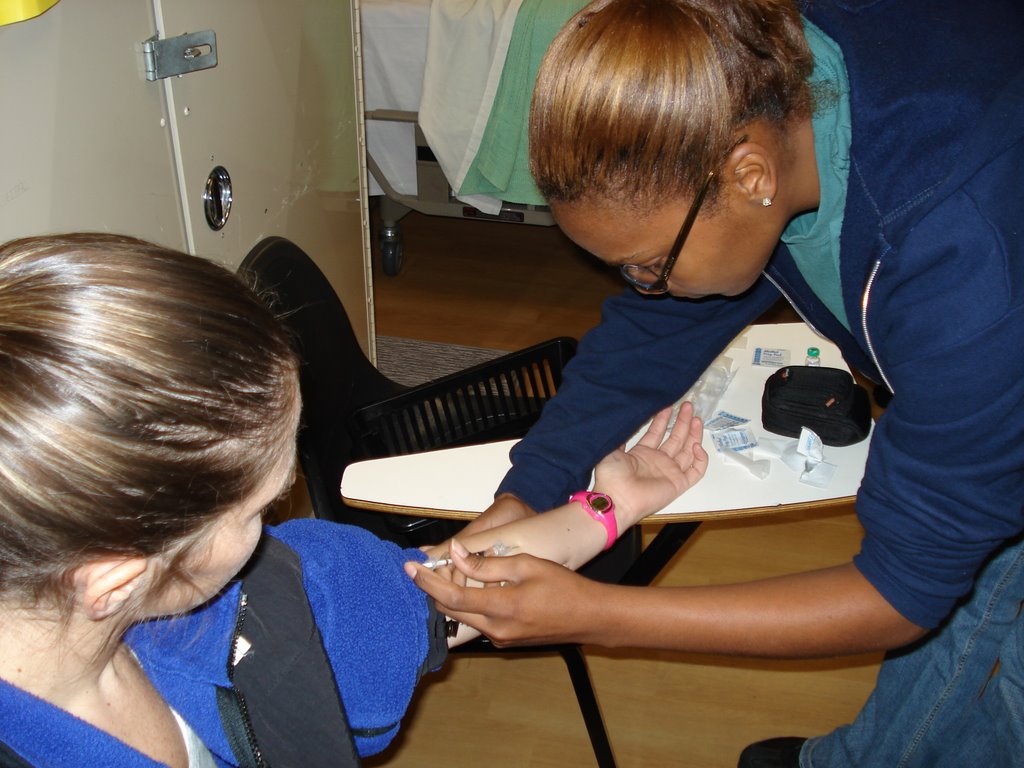
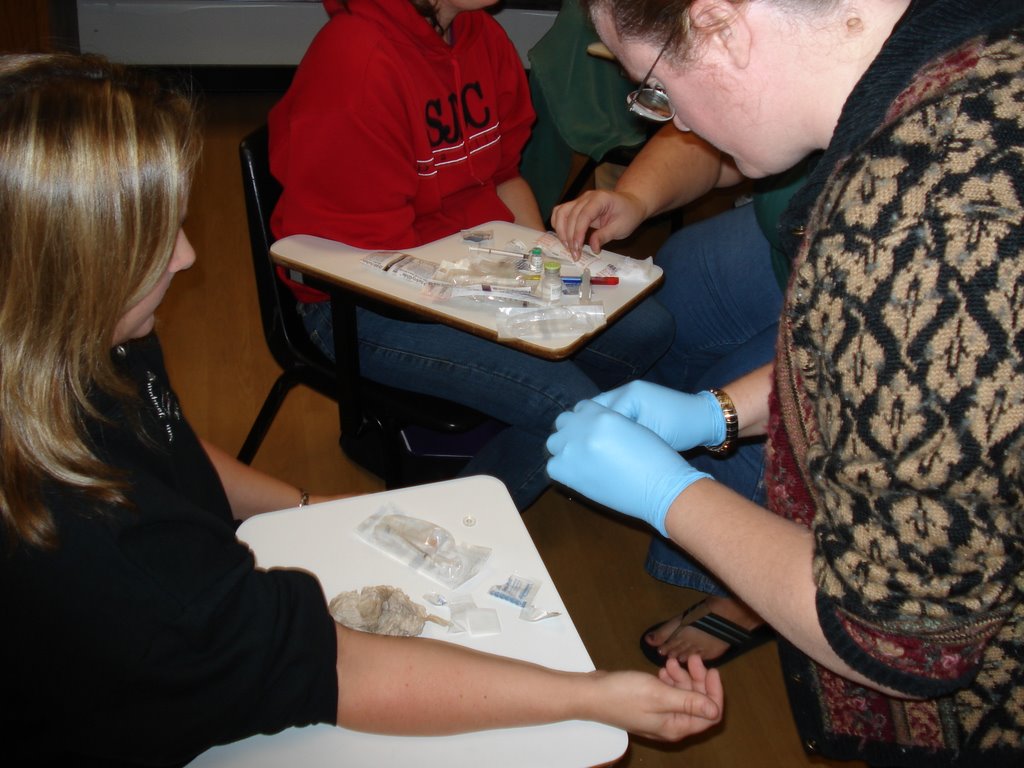


SJDC ADN Class of 2008
Spring 2007 Class Schedule is posted on the SJDC website. 2nd semester here we come!
Job Fair
The job fair is a manditory event. Please come to it and sign in. It is from 9-12 Thrusday 10/12/2006.
This is per Mary Neville for all nursing students.
Thanks Caralee
This is per Mary Neville for all nursing students.
Thanks Caralee
Regarding study sessions for the test...
Ms Semillo is having session on Monday from 2:30-4:30 and Tuesday from 1-3. This takes up the time for Fern's and my session. If there are specific questions, email me the question and I will post them answer on the blogg for everyone to see.
Things to know for the skills check off:
Do a focused assessment to the patient's compliant and identify a priority nursing diagnosis.
Use PQRST when completing a pain assessment.
How to measure Input and output.
Sterile gloving and foley cath.
Trach sucting, vital signs, o2 placement
The mobility list is the same except for no more crutches, canes or picking a person off the floor. No vest restraints. Be able to Dangle a client at the bedside.
The list will be posted by Ms. Semillo.
See you tomorrow at the health fair.
Caralee
Things to know for the skills check off:
Do a focused assessment to the patient's compliant and identify a priority nursing diagnosis.
Use PQRST when completing a pain assessment.
How to measure Input and output.
Sterile gloving and foley cath.
Trach sucting, vital signs, o2 placement
The mobility list is the same except for no more crutches, canes or picking a person off the floor. No vest restraints. Be able to Dangle a client at the bedside.
The list will be posted by Ms. Semillo.
See you tomorrow at the health fair.
Caralee
Cultural Projects!
Hi everyone, I just wanted to congratulate all of you on such wonderful presentations today. I learned a lot of valueable info that I will take with me on my career. I hope everyone enjoyed all the food and time away from clinical ;)....see you ladies and gents tomorrow!
Tuesday, October 10, 2006
Grossology
Anyone want to celebrate passing Nursing 1 with a little trip?
Grossology
Grossology: The (Impolite) Science of the Human Body—a “science in disguise” exhibit that turns the disgusting into the fascinating!
September 30, 2006 – January 7, 2007
DISGUSTING!" "YUCK!" "TOTALLY GROSS!"Slimy, oozy, crusty, stinky secretions like snot, barf, pus, and body odor-what's the cool science behind this "gross" stuff?
Enter Grossology and discover the anatomy, biology, chemistry and physics of why we sneeze, vomit, belch, and even stink.
Hands-on and feet-on activities, giant animatronics, and computer games let visitors explore how the human body fights germs, breaks down food, gets rid of trapped air, removes waste products, and performs other critical functions.
Visitors can:
Enter a giant nostril and get "blown away" by a humongous sneeze!
Perform organ removal in a delicate surgical "operation."
Walk, climb, slide, and crawl through a 3-D model of the human digestive system.
Get a whiff of four body odors, and match them to the body areas they come from.
Clamber up a "human skin" climbing wall with warts, zits, and wounds.
Play pinball, and bounce around foods that give you the most gas.
Shoot "dirt balls" into a giant nose.
Hear how air, vibration, and pressure lead to noisy, bodily surprises.
Take out the "trash" by removing waste elements from the bloodstream.
GROSSOLOGY Exhibit is produced by Advanced Animations LLC. in collaboration with Science World British Columbia.
GROSSOLOGY is a registered trademark of Penguin Group (USA), Inc.
September 30, 2006-
January 7, 2007
Grossology
Grossology: The (Impolite) Science of the Human Body—a “science in disguise” exhibit that turns the disgusting into the fascinating!
September 30, 2006 – January 7, 2007
DISGUSTING!" "YUCK!" "TOTALLY GROSS!"Slimy, oozy, crusty, stinky secretions like snot, barf, pus, and body odor-what's the cool science behind this "gross" stuff?
Enter Grossology and discover the anatomy, biology, chemistry and physics of why we sneeze, vomit, belch, and even stink.
Hands-on and feet-on activities, giant animatronics, and computer games let visitors explore how the human body fights germs, breaks down food, gets rid of trapped air, removes waste products, and performs other critical functions.
Visitors can:
Enter a giant nostril and get "blown away" by a humongous sneeze!
Perform organ removal in a delicate surgical "operation."
Walk, climb, slide, and crawl through a 3-D model of the human digestive system.
Get a whiff of four body odors, and match them to the body areas they come from.
Clamber up a "human skin" climbing wall with warts, zits, and wounds.
Play pinball, and bounce around foods that give you the most gas.
Shoot "dirt balls" into a giant nose.
Hear how air, vibration, and pressure lead to noisy, bodily surprises.
Take out the "trash" by removing waste elements from the bloodstream.
GROSSOLOGY Exhibit is produced by Advanced Animations LLC. in collaboration with Science World British Columbia.
GROSSOLOGY is a registered trademark of Penguin Group (USA), Inc.
September 30, 2006-
January 7, 2007
ATI EXAMS
The ATI results are up on their website. I did way better than I thought I did. I am happy with the results.
Monday, October 09, 2006
N3/HS3 Charts
For bonus receptor and drug charts, supplemental powerpoint lecture slides from your book, practice quizzes and more, check out this site.
Pharmacology Help
Pharmacology Help
Study Guide for Final Exam
Posted by Mrs Semillo on Course Compass in "Assignments"
Study Guide for Final Exam
Introduction to Community Health Nursing, Health Promotion/Prevention, Introduction to Leadership/Management, Nursing Care of the Client Undergoing Surgery, Nursing Care of the Client with Altered Skin Integrity, Wound Care and Introduction to IV Therapy
Peri-operative Nursing Care
1. Describe the correct documentation of a surgical wound.
2. Discuss the nursing interventions for the surgical client when ambulating.
3. Discuss the nursing implications for the surgical client when pain medication is administered.
4. Discuss the nursing interventions to promote oxygenation in the surgical client.
5. Discuss the risk factors of the surgical client.
6. Explain the types of prevention and their purposes; Give examples.
7. Explain the purpose of administering preoperative medication.
8. Discuss the assessment needed for the surgical client in pain.
9. Discuss the assessment of the surgical client post-operatively.
10. Discuss the purpose of the pre-op checklist. Give examples of when the nurse would need to call the physician.
11. Discuss the complications of surgery.
12. Describe the procedure to prepare the client for surgery.
13. Describe the procedure of the surgical client when received in the PACU.
14. List the relevant nursing diagnoses for the surgical client.
IV Therapy
15. Discuss the assessment needed for the client receiving TPN.
16. Discuss the purpose of PCA.
17. Discuss the assessment and nursing interventions for the client receiving IV therapy.
Health Promotion/Prevention
18. Explain health behaviors.
Medication Administration
19. Discuss the various sites for insulin and heparin.
20. Discuss the safety implications for insulin and heparin.
21. Discuss the assessment needed when administering oral medications; medications via NG tube.
22. Discuss the aging process and medication administration.
23. Explain the purpose of administering an intramuscular medication by the Z-track method.
24. Discuss the nursing interventions when an intramuscular medication is erroneously inserted.
25. Describe the signs and symptoms of an allergic response to medication.
Skin Integrity
26. Discuss why the elderly are at risk for impaired skin integrity.
27. Discuss the etiology of ischemia.
28. List the nursing diagnoses for the client with impaired skin integrity.
29. Discuss the rationale of how weakness and fatigue is a risk factor for pressure ulcers.
Immobility
30. Discuss the therapeutic communication needed for the immobile patient.
Delegation
31. Explain the legal implications of delegation.
Study Guide for Final Exam
Introduction to Community Health Nursing, Health Promotion/Prevention, Introduction to Leadership/Management, Nursing Care of the Client Undergoing Surgery, Nursing Care of the Client with Altered Skin Integrity, Wound Care and Introduction to IV Therapy
Peri-operative Nursing Care
1. Describe the correct documentation of a surgical wound.
2. Discuss the nursing interventions for the surgical client when ambulating.
3. Discuss the nursing implications for the surgical client when pain medication is administered.
4. Discuss the nursing interventions to promote oxygenation in the surgical client.
5. Discuss the risk factors of the surgical client.
6. Explain the types of prevention and their purposes; Give examples.
7. Explain the purpose of administering preoperative medication.
8. Discuss the assessment needed for the surgical client in pain.
9. Discuss the assessment of the surgical client post-operatively.
10. Discuss the purpose of the pre-op checklist. Give examples of when the nurse would need to call the physician.
11. Discuss the complications of surgery.
12. Describe the procedure to prepare the client for surgery.
13. Describe the procedure of the surgical client when received in the PACU.
14. List the relevant nursing diagnoses for the surgical client.
IV Therapy
15. Discuss the assessment needed for the client receiving TPN.
16. Discuss the purpose of PCA.
17. Discuss the assessment and nursing interventions for the client receiving IV therapy.
Health Promotion/Prevention
18. Explain health behaviors.
Medication Administration
19. Discuss the various sites for insulin and heparin.
20. Discuss the safety implications for insulin and heparin.
21. Discuss the assessment needed when administering oral medications; medications via NG tube.
22. Discuss the aging process and medication administration.
23. Explain the purpose of administering an intramuscular medication by the Z-track method.
24. Discuss the nursing interventions when an intramuscular medication is erroneously inserted.
25. Describe the signs and symptoms of an allergic response to medication.
Skin Integrity
26. Discuss why the elderly are at risk for impaired skin integrity.
27. Discuss the etiology of ischemia.
28. List the nursing diagnoses for the client with impaired skin integrity.
29. Discuss the rationale of how weakness and fatigue is a risk factor for pressure ulcers.
Immobility
30. Discuss the therapeutic communication needed for the immobile patient.
Delegation
31. Explain the legal implications of delegation.
Friday, October 06, 2006
Thursday, October 05, 2006


Wednesday, October 04, 2006
SJDC ADN Class of 2008
SJDC ADN Class of 2008
Mistakes in Posting
There seems to be some mistakes in the latest grade posting. Lines 76-92 are a repeat of 40-56. Lines 123 and 125 have the same ID. Some ID's (including mine) are not listed.
Mistakes in Posting
There seems to be some mistakes in the latest grade posting. Lines 76-92 are a repeat of 40-56. Lines 123 and 125 have the same ID. Some ID's (including mine) are not listed.
test
if anyone did not do well on the second test, please go talk to mrs. flanders in room locke 309.
Grades are Posted
New grades are posted in docushare...they're scary! 12 are not passing now!!! That test sucked and really hurt a lot of people.
Tuesday, October 03, 2006
WoW!?!
I thought I did better, than I did on that test! I passed by the "SKIN ON MY TEETH", and I thought I did hella good. I can't wait to go over the answers!!!
Answers are up!
I know everybody has gotten tired of looking for the answers for Test #2, well....they're officially up. Felicia posted them on Docushare. Good luck!
Question of the week of 10.02.06
A client who is to have antineoplastic chemotherapy tells the nurses of a fear of being sick all the time and indicates a wish to try acupuncture. Which of these beliefs stated by the client would be incorrect about acupuncture?
1. "Some needles go as deep as 3 inches, depending on where they're placed in the body and what the treatment is for. The needles usually are left in for 15 to 30 minutes."
2. "In traditional Chinese medicine, imbalances in the basic energetic flow of life — known as qi or chi — are thought to cause illness."
3. "The flow of life is believed to flow through major pathways called nerve clusters in your body."
4. "By inserting extremely fine needles into some of the over 400 acupuncture points in various combinations it is believed that energy flow will rebalance to allow the body's natural healing mechanisms to take over."
1. "Some needles go as deep as 3 inches, depending on where they're placed in the body and what the treatment is for. The needles usually are left in for 15 to 30 minutes."
2. "In traditional Chinese medicine, imbalances in the basic energetic flow of life — known as qi or chi — are thought to cause illness."
3. "The flow of life is believed to flow through major pathways called nerve clusters in your body."
4. "By inserting extremely fine needles into some of the over 400 acupuncture points in various combinations it is believed that energy flow will rebalance to allow the body's natural healing mechanisms to take over."
Monday, October 02, 2006
Nursing2006 ANS eNews -- October 2006
Quick Quiz: Match game
For some types of drug administration, the location where you'd administer the drug is self-explanatory; for example, intrathecal administration refers to administering the drug in the intrathecal space of the spinal canal. However, other terms used to describe administration routes aren't so apparent. Can you match the drug administration route below with its correct definition?
| Clues | Choices |
| ___1. intra-articular | a. into the skin |
| ___2. dermal | b. under the tongue |
| ___3. buccal | c. into a vein |
| ___4. ophthalmic | d. in the ear |
| ___5. intradermal | e. between the cheek and gum |
| ___6. otic | f. into a joint |
| ___7. sublingual | g. onto the skin |
| ___8. intravenous | h. into the eye |
Subscribe to:
Posts (Atom)

